
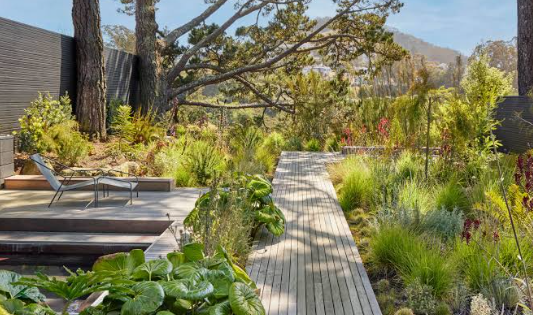
The Art of Architectural Landscape Design
Architectural landscape design beautifully merges nature with built environments, creating spaces that are not only visually appealing but also functional and sustainable. With a growing emphasis on eco-friendly practices and urban green spaces, understanding the principles of this design discipline is more relevant than ever. Whether you’re a homeowner planning your garden or a city planner aiming for a greener city, this blog post will explore key aspects of architectural landscape design.
The Principles of Landscape Design
At its core, architectural landscape design is guided by a set of fundamental principles, including unity, scale, balance, and contrast. Unity ensures that various elements of a space harmonize to create a cohesive look. Scale and proportion relate to how the size of different features interact with one another and the human experience of the space. Balance, whether symmetrical or asymmetrical, creates visual stability, while contrast emphasizes distinct features, adding depth and interest. Understanding these principles can help anyone approach their outdoor space with an informed and creative perspective, ensuring that it feels both inviting and functional.
Sustainable Practices in Landscape Design
As awareness grows regarding environmental issues, sustainable landscape design has become increasingly critical. This approach involves using native plants, which are better suited to local climates and require less water and maintenance. Implementing sustainable features, like rain gardens, permeable pavements, and xeriscaping, not only conserves resources but also enhances biodiversity. By incorporating these practices, architects and designers can create landscapes that are resilient, beautiful, and beneficial to both the environment and the community. Simple shifts, such as choosing organic materials and minimizing chemical use, can make a big difference in promoting sustainability in any project.
The Importance of Community Involvement
Community involvement is crucial in the landscape design process. Engaging local residents and stakeholders helps ensure that the design reflects the needs and desires of the community. This collaboration can enhance the functionality and aesthetic appeal of public spaces, encouraging ongoing use and appreciation. Public input can lead to creative solutions that may not have been considered otherwise, fostering a sense of ownership among residents. When communities are involved in the design process, the resulting landscapes are often more sustainable and enjoyable, creating spaces that meet both practical needs and community aspirations.
Conclusion
Architectural landscape design offers an incredible opportunity to blend art, nature, and community needs into functional outdoor spaces. By understanding the principles of design, embracing sustainability, and involving the community, you can create environments that are not only beautiful but also enriching. If you’re inspired by the ideas discussed here, consider diving deeper into landscape design or reaching out to a local designer to explore how you can enhance your own outdoor space. Happy designing!