
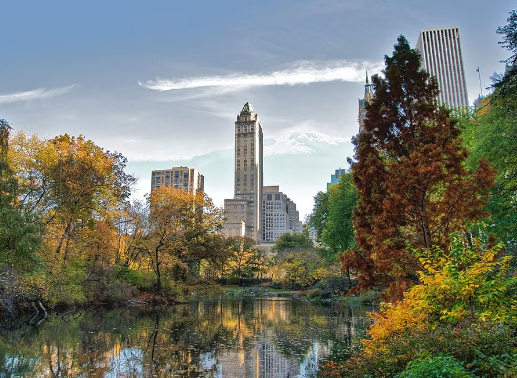
Central Park is not merely a green oasis in the heart of New York City; it is the embodiment of a revolutionary landscape vision developed by Frederick Law Olmsted and Calvert Vaux. Their approach to public parks aimed to create a retreat from urban life, blending nature with recreational spaces. In this blog post, we’ll explore Olmsted’s transformative vision for Central Park and how it has influenced urban parks worldwide.
1. The Vision Behind Central Park
Frederick Law Olmsted envisioned Central Park as a sanctuary for all city dwellers. The park was designed to provide a natural landscape that would stimulate both the body and mind, offering diverse experiences away from city noise. The concept evolved from Olmsted and Vaux’s belief that exposure to verdant spaces could improve the health and well-being of urban inhabitants.
One of the most notable aspects of Olmsted’s design is its ability to accommodate various activities while maintaining a sense of tranquility. The park features walking paths, meadows, lakes, and wooded areas that invite visitors to explore. This multifaceted approach fosters both solitude and community interaction, making Central Park a cherished resource for locals and tourists alike.
-
- Visit the park during different seasons to experience its changing beauty.
-
- Take a leisurely walk along the meandering paths to fully enjoy the landscape.
-
- Explore lesser-known areas like the Shakespeare Garden or the Ramble.
-
- Engage in recreational activities such as cycling or boating.
2. Design Elements That Shape the Experience
Olmsted’s design included specific elements meant to enhance the visitor experience, emphasizing a naturalistic landscape over rigid geometric layouts. He incorporated curves in pathways and varied terrain to create a sense of adventure and exploration. The challenges of topography enabled the imaginative use of features like cascading waterfalls and tranquil lakes.
Furthermore, strategic placements of rock outcroppings, open meadows, and wooded areas create micro-environments that attract diverse wildlife. This diversity enriches the visitor experience, encouraging people to connect with nature while providing habitats for various species. The thoughtful placement of benches and viewing points also invites contemplation and relaxation.
-
- Seek out picnic spots and enjoy a meal surrounded by nature.
-
- Rent a rowboat on the Central Park Lake for a unique perspective.
-
- Look for wildlife, particularly in the wooded areas like The Ramble.
-
- Don’t rush—take time to notice the smaller details in the landscape.
3. Lasting Impacts of Olmsted’s Philosophy
Olmsted’s vision for Central Park has had a profound influence extending far beyond New York City. His principles of blending nature with urban environments can be seen in cities across the globe, emphasizing parks as essential to public health and well-being. The concept of “urban parks” has grown into a worldwide movement that promotes accessible green spaces as vital for communities.
Additionally, Central Park has inspired policymakers and urban planners to consider nature in their designs. Many modern city initiatives focus on creating environments that promote mental health and encourage social interaction. This legacy continues to shape urban landscapes today, reminding us of the importance of green spaces in our daily lives.
-
- Advocate for the preservation of local parks in your community.
-
- Participate in park clean-up events to keep your local green spaces healthy.
-
- Support policies that integrate more green areas into urban planning.
-
- Encourage children to engage with nature through local park programs.
In conclusion, Central Park stands as a testament to Frederick Law Olmsted’s visionary approach to landscape design. By exploring and appreciating parks, we not only honor Olmsted’s legacy but also enhance our well-being. Take your next steps today by visiting a local park to experience the benefits of connecting with nature.