
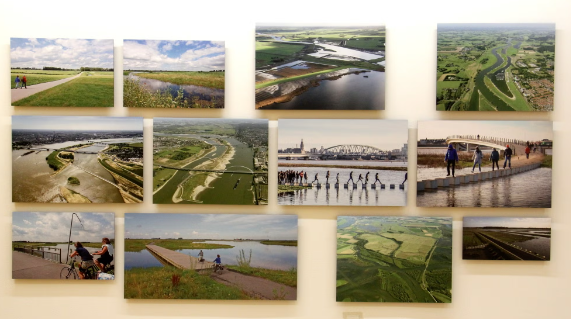
Landscape architecture has evolved significantly over the years, influenced by various thinkers and practitioners. Among the most impactful figures are Frederick Law Olmsted and Ian McHarg, both of whom introduced transformative ideals to the field, albeit with differing approaches. Understanding their philosophies can enrich our appreciation of landscape design and inform better practices today.
1. Olmsted’s Vision of Public Spaces
Frederick Law Olmsted, often called the father of American landscape architecture, championed the idea of public parks as democratic spaces. His work emphasized the importance of green areas in urban environments, believing they provided not just beauty but crucial mental and physical health benefits. Central Park in New York City, designed in the 1850s, is a prime example of his vision, created to offer respite from the hustle of city life and to promote social interaction among diverse populations.
Olmsted’s approach highlighted the connection between nature and humanity. He believed that public parks should be accessible to all socio-economic classes, fostering a sense of community and belonging. His designs often incorporated natural landscapes, curving paths, and strategic placement of trees to create aesthetic diversity, encouraging people to engage with their surroundings in a meaningful way.
-
- Consider visiting your local public parks to understand how they serve the community.
-
- Advocate for green spaces in your neighborhood to improve health and well-being.
-
- Observe the design elements like pathways and plantings in parks you visit.
-
- Participate in community events held in local parks to promote social interaction.
2. McHarg’s Ecological Approach
Ian McHarg introduced a radically different approach through his focus on ecological principles in landscape planning. His well-known work, “Design with Nature,” published in 1969, emphasized the importance of incorporating natural systems into the design process. He advocated for a systematic understanding of how landscapes functioned, pushing for decisions based on environmental sustainability rather than solely aesthetic considerations.
McHarg developed a technique called overlay mapping, where various environmental factors—such as topography, hydrology, and vegetation—are layered to understand their interactions. This method allows planners to identify suitable areas for development while minimizing ecological disruption. His work has influenced modern environmental regulations and sustainable practices that are still referenced today, showcasing the importance of harmony between built and natural environments.
-
- Learn about your local ecosystems to understand what natural resources need protection.
-
- Use overlay mapping methods in your projects to identify sustainable design solutions.
-
- Promote ecological literacy through community workshops or discussions.
-
- Advocate for policies that prioritize environmental considerations in urban planning.
3. The Balance of Aesthetics and Functionality
While both Olmsted and McHarg prioritized the interaction of humans with nature, their methods differed significantly. Olmsted focused more on the aesthetic experience of natural landscapes, as exemplified by his intricate designs across urban parks. In contrast, McHarg emphasized functionality and sustainability, aiming to utilize ecological principles to inform planning decisions. This approach led to more practical designs that addressed immediate environmental concerns.
The ideal landscape design today strives to incorporate both aesthetics and functionality, taking cues from both Olmsted and McHarg. For instance, urban planners might consider how park designs can be both visually appealing and beneficial for local wildlife, creating spaces that serve the community while preserving local ecosystems. This balanced approach not only enhances public enjoyment but also contributes to ecological health.
-
- Explore both design aesthetics and ecological function in your projects.
-
- Seek feedback from local communities to determine aesthetic preferences.
-
- Conduct ecological assessments early in the planning phase to ensure sustainability.
-
- Integrate diverse plant species to enhance both beauty and biodiversity.
4. Legacy and Modern Applications
Both Olmsted and McHarg left enduring legacies in landscape architecture that continue to inform contemporary practices. Olmsted’s dedication to public spaces laid the groundwork for modern parks, encouraging cities to incorporate green areas that foster community well-being. Meanwhile, McHarg’s emphasis on ecological sensitivity has become foundational in sustainable landscape design, guiding the integration of nature in urban settings.
Today, planners and architects are increasingly recognizing the importance of both landscape aesthetics and ecological health. Cities are now adopting green infrastructure practices that, following McHarg’s vision, not only beautify urban areas but also enhance environmental resilience. The collaborative efforts of landscape architects and engineers reflect this integrated design philosophy, improving both urban livability and ecological integrity.
-
- Research how your city incorporates green infrastructure into urban planning.
-
- Stay informed about sustainable practices that balance aesthetics and ecology.
-
- Engage in community discussions about the importance of green spaces.
-
- Explore opportunities for contributing to local landscape design projects.
By studying the philosophies of Olmsted and McHarg, we can appreciate the significance of holistic design in landscape architecture. Take the next step by advocating for sustainable practices in your community or engaging with local landscape professionals to learn more about the preservation of our natural environments.