
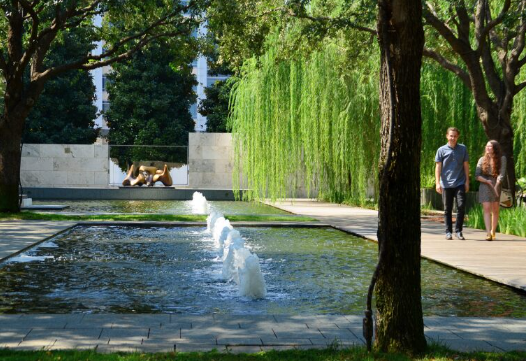
Corporate campuses are increasingly becoming more than just functional workspaces; they are striving to offer a holistic and inspiring environment for employees. One notable designer who has made a significant impact on corporate landscapes is Peter Walker. His approach integrates nature with utility, creating spaces that foster creativity and well-being.
1. The Philosophy of Peter Walker
Peter Walker, often hailed as a pioneer in landscape architecture, has shaped how we perceive corporate campuses. His work often emphasizes the relationship between nature and built environments, arguing that landscapes should serve both aesthetic and functional purposes. Through his thoughtful integration of landscaping elements, he cultivates an atmosphere conducive to collaboration and innovation.
One of Walker’s most famous projects is the redesign of the Facebook campus in Menlo Park, California. The design features expansive green spaces, walking paths, and outdoor meeting areas, all of which encourage employees to step outside and connect with nature. This synergy not only enhances the visual appeal but also boosts employee morale and productivity.
-
- Understand the importance of integrating natural elements in corporate designs.
-
- Explore previous projects by Peter Walker for inspiration.
-
- Consider employee well-being when designing workspaces.
-
- Enhance spaces with walking paths and communal areas.
2. The Functionality of Corporate Campuses
Corporate campuses are designed to maximize efficiency and collaboration while keeping the well-being of employees in mind. This means creating spaces that are not only functional but also inviting and conducive to creativity. Walker’s landscapes often include multifunctional areas that can adapt to various activities, whether that’s formal meetings or informal gatherings.
In established corporate campuses, versatile outdoor spaces are increasingly popular. For example, the campus of the tech giant Google features various gardens and collaborative workspaces that can be utilized for multiple purposes. Employees can gather for informal brainstorming sessions or simply take a break in a serene environment, promoting mental health and productivity.
-
- Design flexible spaces that can serve multiple functions.
-
- Create quiet areas for introspection and relaxation.
-
- Incorporate technology into outdoor solutions, such as Wi-Fi in gardens.
-
- Prioritize accessibility for all employees in the layout planning.
3. Sustainability and Environmental Impact
Another significant aspect of corporate campuses designed by Peter Walker is sustainability. Integrating environmentally friendly practices into landscaping not only benefits the environment but also aligns with corporate social responsibility goals. Walker advocates for using native plants, rain gardens, and permeable surfaces to manage stormwater and reduce ecological footprints.
Through meticulous planning, corporate landscapes can become living laboratories for sustainability. An excellent example is the Salesforce Park in San Francisco, which features diverse plant species and textural elements that reflect local flora. This not only fosters biodiversity but also creates a micro-ecosystem right in the heart of the city, showcasing the balance between urban life and nature.
-
- Incorporate sustainable landscaping practices like xeriscaping.
-
- Use native plants that require less water and care.
-
- Integrate green roofs and walls for improved insulation.
-
- Create systems for rainwater harvesting.
4. The Social Aspects of Design
Walker’s approach to landscape architecture recognizes that social interaction is a vital component of modern workplaces. Corporate campuses should not just be places to work but also spaces where employees can connect and build relationships. Creating areas for social interaction can enhance team dynamics and foster a sense of community among employees.
For instance, including open spaces with communal seating, fire pits, and even outdoor kitchens encourages employees to gather and share ideas. Companies like LinkedIn and Twitter have adopted similar concepts, providing vibrant outdoor lounges that serve as informal meeting spots, ultimately enriching the work environment through improved social engagement.
-
- Design communal spaces that facilitate social interactions.
-
- Consider adding amenities like cafes and lounges.
-
- Encourage employee participation in landscape design proposals.
-
- Utilize art and installations to spark conversation.
Corporate campuses designed with intention can significantly influence employee satisfaction and productivity. By considering Peter Walker’s concepts of integrating nature, functionality, and sustainability, organizations can create engaging environments that foster collaboration and well-being. Take time to explore these elements in your workspace and consider consulting professional landscape designers to reimagine your corporate campus.