
Planning First: Reshaping the Overall Structure of Country Club Landscaping
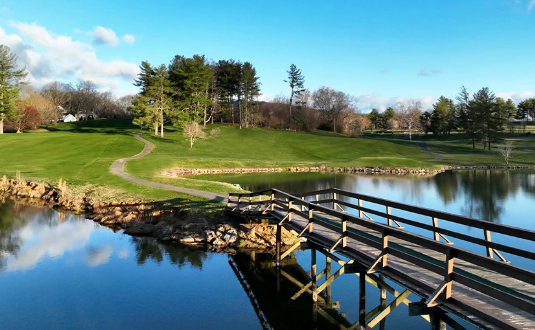
In the context of contemporary architectural landscape, Country Club Landscaping is no longer just about greenery and lawn maintenance, but a crucial component of the overall spatial strategy. Modern design emphasizes master planning, constructing a clubhouse environment with a sense of ceremony and hierarchy through comprehensive analysis of topography, axes, visual corridors, and building volume.
The organization of the entrance plaza, vehicular traffic flow, and pedestrian paths becomes the core of the design. The main building facade is reinforced through landscape axes, and visual focus is controlled through plant layering, achieving a balance between function and aesthetics. This kind of Country Club Landscaping not only serves the sport of golf itself but also embodies brand image and social attributes.
Integrated Design of Topography and Ecology

Modern Country Club Landscaping increasingly emphasizes ecological logic and sustainability. The application of rain gardens, natural drainage systems, and native plant communities not only reduces maintenance costs but also enhances environmental stability.
The golf course itself has large areas of grass and water features; the designers used micro-topography to create a natural transition between landscape and functional areas. Wetland areas can serve as both ecological buffer zones and visual landscape nodes.
In some projects, designers place symbolic art elements around water features, such as a simply designed frog yard statue, which not only echoes the wetland environment but also enhances the space’s recognizability. Such embellishments often act as visual anchors in modern architectural landscape design, enhancing site memorability.
The Fusion of Art and Spatial Experience
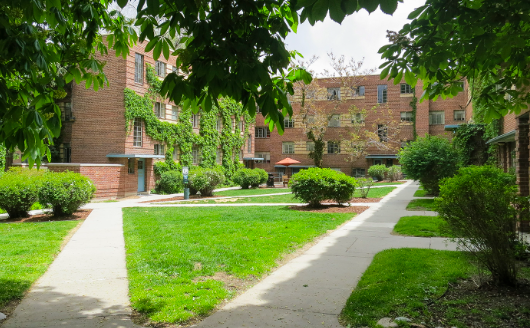
Modern Country Club Landscaping increasingly emphasizes “experience design.” The landscape is no longer merely a backdrop but becomes a crucial medium for participants to perceive the space.
Sculptures, landscape installations, and functional structures work together to create layers. Large-scale landscape art at the entrance, themed sculptures along the lawn edges, and even a discreetly placed frog yard statue by the water can all become part of the spatial rhythm.
The core of this approach lies in balance—maintaining the dignified character of a high-end clubhouse while enhancing approachability through appropriate artistic expression.
From Decoration to Brand Expression
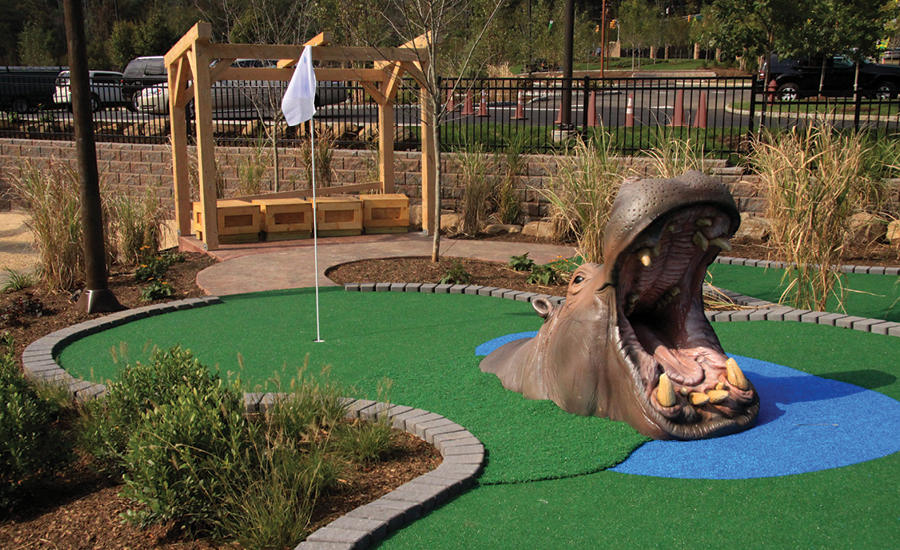
In the field of architectural landscape, Country Club Landscaping has gradually become an integral part of its brand strategy. Material selection (stone, metal, wood structures), plant arrangement, and artistic elements collectively shape the site’s image.
Modern design trends emphasize differentiated expression. A successful clubhouse landscape should not only be functional but also possess distinctiveness and narrative.
By integrating spatial planning, ecosystems, and art installations, Country Club Landscaping is shifting from traditional lawn design to a comprehensive landscape system. This transformation reflects contemporary architectural landscape’s pursuit of the fusion of structure, environment, and experience.