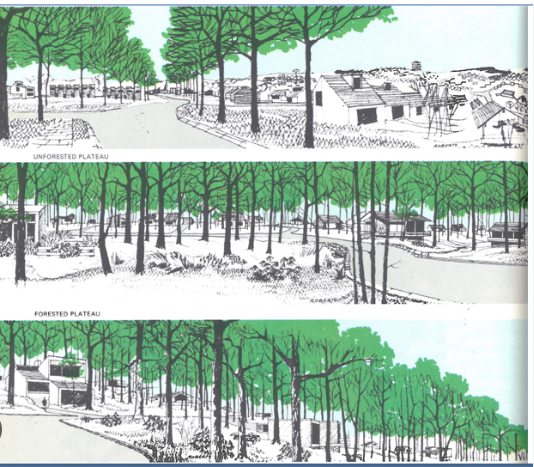
Design with Nature is an innovative approach that seeks to harmonize architecture and landscaping with natural ecosystems. By considering ecological principles in design, professionals can create spaces that are not only functional but also environmentally sustainable.
1. Understanding the Principles of Design with Nature
The first step to effectively implementing Design with Nature is to grasp its core principles. One primary aspect is understanding the local ecology. For example, a designer should be familiar with the native plant species and their behaviors, such as which types can thrive in certain soil conditions. This knowledge allows for creating spaces that work harmoniously with the natural environment, rather than against it.
Another crucial principle is the concept of reducing environmental impact. Designers should utilize materials that have lower carbon footprints and be wary of resource-intensive processes. For instance, using reclaimed wood or recycled materials helps decrease the demand for new resources, fostering sustainability. A design that embraces the surrounding environment not only improves aesthetics but also enhances biodiversity.
-
- Conduct a thorough ecological site assessment.
-
- Choose native plants to support local wildlife.
-
- Opt for sustainable materials that reduce carbon footprint.
-
- Integrate natural water systems into the design.
2. Benefits of Incorporating Natural Elements
Bringing natural elements into design can yield numerous benefits. One significant advantage is the improvement of mental health and well-being. Studies have shown that environments enriched with plants and natural light can reduce stress levels and boost productivity. For example, office spaces designed with green walls tend to enhance employee satisfaction and focus.
Another considerable benefit of incorporating natural components is energy efficiency. Buildings that utilize natural ventilation and lighting can significantly cut energy costs. For instance, strategically placing windows can capture sunlight, reducing the need for artificial lighting. Integrating green roofs can also create natural insulation, minimizing heating and cooling needs.
-
- Enhance building aesthetics with greenery and natural light.
-
- Promote employee health by incorporating plants in workplaces.
-
- Utilize renewable energy sources to reduce dependency on fossil fuels.
-
- Invest in energy-efficient solutions to lower operational costs.
3. Practical Applications in Various Scenarios
Applying Design with Nature principles can vary significantly across different environments. In urban areas, for example, vertical gardens and green roofs are great ways to introduce biodiversity and manage stormwater. These not only add greenery to concrete jungles but also reduce urban heat islands, making cities more livable.
In residential landscapes, homeowners can create sustainable gardens by integrating rainwater harvesting systems. These systems collect and recycle rainwater for irrigation, significantly conserving water resources. Additionally, designing pathways with permeable materials allows rainwater to naturally filter into the ground, reducing runoff.
-
- Consider vertical gardens for urban spaces.
-
- Implement rainwater harvesting in residential gardens.
-
- Use permeable materials to promote water filtration.
-
- Create multifunctional spaces that serve both ecological and recreational purposes.
Design with Nature is not just a trend; it’s a call to action for more sustainable living. By understanding its principles and benefits, and implementing practical applications, you will contribute to a healthier planet and a better quality of life. Start integrating these ideas into your own projects today!
As we navigate our way into the future, embracing Design with Nature can lead to positive environmental outcomes. Whether you’re a designer, a homeowner, or someone simply interested in sustainable practices, consider collaborating with professionals in the field to maximize your impact.