
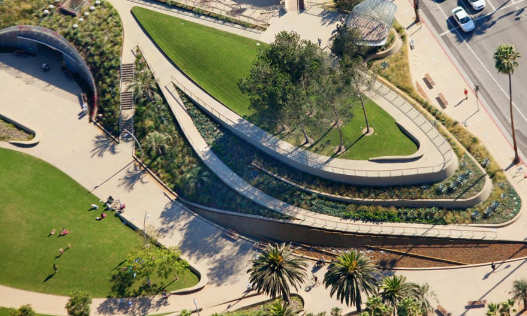
Urban design is increasingly intertwining with landscape architecture to create sustainable and livable cities. This blog post explores how landscape-focused urban design not only enhances aesthetic appeal but also addresses critical environmental and social issues.
1. Integrating Green Spaces
One of the primary components of designing cities through landscape is the integration of green spaces. Parks, urban forests, and community gardens contribute significantly to residents’ quality of life, providing areas for recreation, relaxation, and social interaction. For instance, the High Line in New York City transformed an old railway line into a lush public park, demonstrating how underutilized spaces can become vital green corridors that promote biodiversity and community engagement.
In cities like Singapore, vertical gardens and green roofs are incorporated into high-rise buildings, showcasing a practical approach to maximizing limited land while promoting ecological sustainability. These innovations improve air quality, reduce urban heat, and enhance the beauty of the urban environment, making them essential elements in contemporary city planning.
-
- Identify underutilized land for potential parks or gardens.
-
- Consider native plant species to enhance biodiversity.
-
- Engage the community in designing green spaces.
-
- Incorporate walking paths and recreational facilities.
2. Water Management in Urban Design
Effective water management is a crucial aspect of landscape urbanism that helps mitigate flooding and maintain water quality in urban areas. Techniques like rain gardens, permeable pavements, and bioswales allow cities to handle stormwater more sustainably. For instance, Portland, Oregon, has implemented green infrastructure initiatives that use these methods to reduce runoff and improve the health of local waterways.
Moreover, cities are increasingly turning to landscape architecture to create aesthetically pleasing water features that also serve functional purposes. The Jewel Changi Airport in Singapore includes a stunning indoor waterfall that also effectively manages rainwater, illustrating the synergistic relationship between design and functionality in urban planning.
-
- Assess local hydrology to design effective water management systems.
-
- Incorporate green roofs to absorb rainwater.
-
- Utilize bioswales to direct and filter stormwater.
-
- Design water features that offer recreational opportunities while serving utility.
3. Promoting Biodiversity and Ecosystem Services
Designing cities through landscape architecture also focuses on promoting biodiversity and natural ecosystem services. It’s crucial for urban planners to create habitats that support local wildlife while also enriching urban dwellers’ experiences. Innovative projects like the Eden Project in the UK provide examples of how cities can be designed to showcase local flora and fauna while educating the public about biodiversity.
Additionally, cities are exploring urban farming initiatives that not only provide fresh produce but also enhance the local ecosystem. By creating edible landscapes, urban farms, and pollinator gardens, cities can foster community involvement and promote healthier lifestyles among residents.
-
- Encourage the incorporation of pollinator-friendly plants.
-
- Design community gardens that support local wildlife.
-
- Promote urban farming initiatives.
-
- Educate residents on the importance of biodiversity.
4. Enhancing Connectivity and Mobility
Landscape design plays a pivotal role in enhancing connectivity within cities. Urban planners are increasingly focused on creating walkable neighborhoods that reduce reliance on cars and promote sustainable transportation. Initiatives like pedestrian-friendly streetscapes and dedicated bike lanes not only improve mobility but also help reduce traffic congestion and pollution levels.
Furthermore, incorporating trails and greenways allows residents to navigate cities more easily while enjoying nature. For example, the BeltLine in Atlanta is a transformative project that connects various neighborhoods through a network of trails, parks, and public spaces, encouraging active lifestyles and community interaction.
-
- Design pathways that connect parks and neighborhoods.
-
- Prioritize pedestrian safety in urban layouts.
-
- Include bike lanes to promote cycling as a viable transportation option.
-
- Educate residents about the benefits of walking and biking.
In conclusion, designing cities through landscape is a multifaceted approach that contributes to environmental sustainability, community well-being, and urban resilience. By integrating green spaces, enhancing water management, promoting biodiversity, and improving connectivity, urban areas can transform into vibrant, livable spaces. Consider engaging with landscape professionals to explore innovative ways to enhance your own community.