
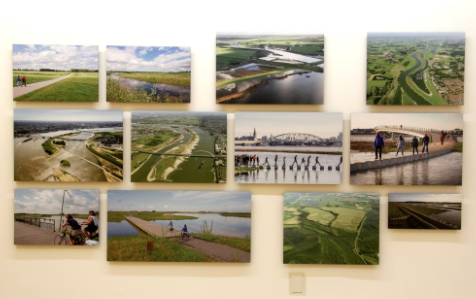
Ecology can revolutionize the way we approach design, especially in the context of landscape architecture. One of the pioneers in this philosophy was Ian McHarg, whose work integrated ecological principles into the planning and development processes. By understanding how natural systems work, we can create designs that sustain rather than deplete the environment.
1. The Foundations of Ecological Design
At its core, ecological design involves understanding the relationships within ecosystems and applying this knowledge to create sustainable human environments. Ian McHarg emphasized the need to consider the natural features of a site—like topography, hydrology, and existing vegetation—before making any design decisions. This approach allows designers to work with nature rather than against it, ensuring that solutions are not only functional but also beneficial to the ecology.
For example, McHarg’s use of overlay mapping became a revolutionary tool that highlighted how various layers of information—like soil types, wetland areas, and human usage—interact with one another. By visualizing these elements, architects and planners can identify critical areas that require protection or enhancement, leading to a design that aligns with the ecological context.
-
- Study your project site’s natural features carefully.
-
- Create overlays to visualize ecological layers.
-
- Engage with local ecologists to gain insights.
-
- Document existing vegetation and wildlife habitats.
-
- Evaluate how human activities impact these natural features.
2. Strategies for Sustainable Landscapes
One of the most compelling aspects of McHarg’s work is his emphasis on sustainable landscape design strategies. For instance, he introduced the idea of using native plants to enhance biodiversity and lower maintenance costs. Native species have adapted to local climate conditions and pests, making them more resilient and eco-friendly choices for landscaping projects.
Additionally, he advocated for techniques such as contouring and bioswales to manage stormwater effectively. These methods not only mitigate flooding but also enrich the landscape’s natural water cycle, enhancing its overall ecological function. By implementing such strategies, designers can create spaces that are not only beautiful but also practical and sustainable.
-
- Use native plants for landscaping.
-
- Incorporate bioswales for effective stormwater management.
-
- Utilize contour design to manage slopes and drainage.
-
- Engage in soil restoration practices.
-
- Incorporate habitats that support local wildlife.
3. Participatory Design and Community Involvement
McHarg also emphasized the importance of community involvement in the ecological design process. He believed that local communities bring invaluable insights about their environments, which can significantly enhance the design outcome. Engaging residents in the design dialogue fosters a sense of ownership and responsibility towards the environment, increasing the chances of sustainable practices being upheld.
For instance, workshops and public meetings can be used to gather input about environmental concerns and preferences. These sessions can help identify local ecological factors that may not be apparent to external designers, ensuring that the resulting design solutions are tailored to both the community’s needs and ecological realities.
-
- Host community workshops to gather feedback.
-
- Foster relationships with local environmental organizations.
-
- Create interactive platforms for design discussions.
-
- Share knowledge about local ecosystems with community members.
-
- Incorporate local storytelling into design narratives.
In conclusion, the principles laid out by Ian McHarg provide a blueprint for incorporating ecology into design. By embracing the natural features of a landscape, employing sustainable strategies, and engaging communities, we can create spaces that not only serve human needs but also respect and enhance the environment. As you embark on your next design project, consider consulting an ecological expert to help you weave these principles into your work.