
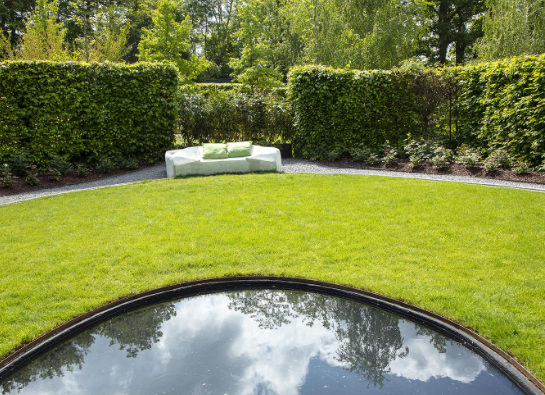
European public spaces are not just areas for leisurely strolls and social gatherings; they are reflections of culture, art, and community. Renowned landscape designer Kathryn Gustafson has made significant contributions in this realm, crafting spaces that are both functional and aesthetically pleasing. In this post, we will delve into her vision and explore how her work shapes the public spaces in Europe.
1. The Philosophy Behind Gustafson’s Designs
Kathryn Gustafson is known for her deep understanding of the relationship between people and the spaces they inhabit. Her approach centers on creating public areas that encourage interaction, enjoyment, and a strong sense of place. Instead of following rigid landscape design conventions, she often seeks to employ fluid forms and natural materials, which can connect people to their environment on a more emotional level.
This philosophy is particularly evident in her projects across Europe, where every design pays homage to the local culture and history. For instance, the Diana, Princess of Wales Memorial Fountain in London exemplifies how water can be harnessed to create a soothing yet dynamic gathering space, allowing visitors to engage both physically and emotionally with nature.
-
- Understand local culture before embarking on a design.
-
- Utilize natural materials to enhance the connection with the environment.
-
- Prioritize fluid forms over rigid structures in design.
-
- Incorporate features that encourage interaction among visitors.
2. Transformational Projects and Their Impact
One of Gustafson’s hallmark projects is the redesign of the Place de la République in Paris, which serves as a significant gathering space for locals and tourists alike. The integration of new seating, greenery, and better pedestrian pathways has entirely transformed this historic area. It fosters a sense of community while respecting its cultural heritage, demonstrating how thoughtful design can breathe new life into existing spaces.
Another transformational project is the International Garden Festival in Chaumont-sur-Loire. Here, Gustafson helped create an innovative landscape that not only showcases artistic expression but also promotes environmental sustainability. It stands as a beacon for future designs, proving that public spaces can merge functionality with beauty.
-
- Research the history and purpose of a public space being redesigned.
-
- Involve the community in the design process to gather diverse perspectives.
-
- Leverage technology for environmental sustainability in design.
-
- Consider seasonal changes and their impact on the space.
3. Sustainable Practices in Public Space Design
Gustafson emphasizes the importance of sustainability in her designs. With climate change becoming an ever-pressing concern, she advocates for utilizing native plants, efficient water management, and environmentally friendly materials. This commitment not only enhances the longevity of public spaces but also promotes biodiversity, crucial for urban environments.
Implementing sustainable practices can dramatically influence how public spaces perform. For instance, through careful planting choices and rain gardens, her designs can effectively manage stormwater runoff, thus preventing flooding and water pollution. This holistic view sets a paradigm for future urban landscape practices.
-
- Choose native plants to ensure sustainability and low maintenance.
-
- Incorporate water management systems like rain gardens or bioswales.
-
- Use recycled materials wherever possible in landscaping.
-
- Engage in ongoing monitoring of the space’s ecological impact.
Kathryn Gustafson’s work offers valuable lessons in landscape design that go beyond aesthetics. With a focus on community engagement, sustainability, and historical context, her projects elevate the role of public spaces in urban environments. For anyone considering a project or looking to enhance their own local public spaces, learning from her philosophy could be a game-changer.
To explore the power of public spaces further, consider attending community meetings related to local developments. Engage with fellow enthusiasts or professionals who can offer insights, suggestions, and even collaborative opportunities. Every small effort can help foster a healthier and more vibrant community.