
Frederick Law Olmsted is widely regarded as the father of American landscape architecture, and his contributions have shaped our understanding of scenic beauty in public spaces. His vision extended beyond mere aesthetics; he believed that landscapes were essential to the well-being of society. In this blog post, we will explore key aspects of Olmsted’s philosophy and practice, highlighting how his ideas continue to influence contemporary landscapes.
1. The Philosophy Behind Scenic Beauty
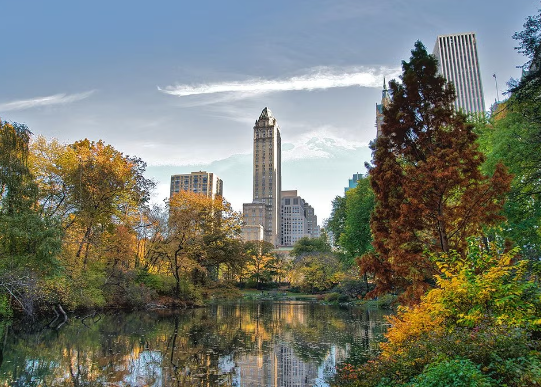
Olmsted held a profound belief that natural beauty could improve public health and social equity. He understood that access to parks and gardens was crucial for urban dwellers, who often faced overcrowded and polluted environments. For instance, his designs for Central Park in New York City were intentional refuges for the working class, offering them an escape from the rigors of city life while promoting a sense of community.
His philosophy revolved around the idea that landscapes impact not just the eye, but the mind and spirit as well. Olmsted designed his parks with an awareness of the changing seasons, natural topography, and historical context. The gentle curves of the pathways and the thoughtful arrangement of flora and fauna were meant to evoke feelings of serenity and wonder, reinforcing his belief in the therapeutic effects of nature.
-
- Consider the power of natural landscapes on mental well-being.
-
- Design public spaces that foster community connections.
-
- Utilize native plant species to create more sustainable environments.
-
- Integrate sensory experiences through varied textures, scents, and colors.
2. Innovations in Landscape Design
Olmsted was not just a visionary; he was an innovator. He introduced concepts like “naturalistic design,” which emphasized organic shapes and forms rather than rigid geometric patterns. This approach is evident in landscapes that feature winding paths and open vistas, allowing visitors to experience a sense of exploration and wonder. For example, the Emerald Necklace in Boston is a seamless integration of parks and waterways that exemplifies his pioneering style.
His commitment to creating harmonious natural settings is also reflected in his use of grading and landforms to create visual depth. By carefully sculpting the land, Olmsted was able to dictate sightlines, creating dramatic views that invited visitors to pause and contemplate. This innovative approach has since been adopted by landscape architects around the world.
-
- Emphasize natural forms over geometric designs in landscape projects.
-
- Utilize grading techniques to improve visibility and aesthetics.
-
- Incorporate water features that promote serenity and reflection.
-
- Use native plants to enhance biodiversity and sustainability.
3. Impact on Modern Urban Spaces
Olmsted’s influence extends far beyond the parks he designed; it is woven into the fabric of contemporary urban planning. Today, the principles he established are visible in countless urban spaces, from small city parks to large botanical gardens. His insistence on the integration of nature with urban life provides a blueprint for modern city planners aiming to create livable and enjoyable environments.
Moreover, Olmsted’s focus on accessibility and public good continues to resonate today. His vision has inspired initiatives focused on making parks and green spaces not just available, but inviting and inclusive for everyone. For instance, many cities have adopted his idea of multifunctional parks that serve multiple purposes: recreation, community events, and environmental education.
-
- Integrate green spaces into urban areas to enhance public welfare.
-
- Ensure accessibility in design and maintenance of parks.
-
- Promote community events to foster a sense of belonging.
-
- Utilize public feedback to inform future park developments.
Frederick Law Olmsted’s visionary work laid the foundation for the importance of scenic beauty in public spaces. His legacy continues to inspire architects and planners, reminding us that nature’s beauty is integral to the health of urban environments. As we look to the future, let us carry forward his belief that scenic beauty can enrich lives and transform communities.