
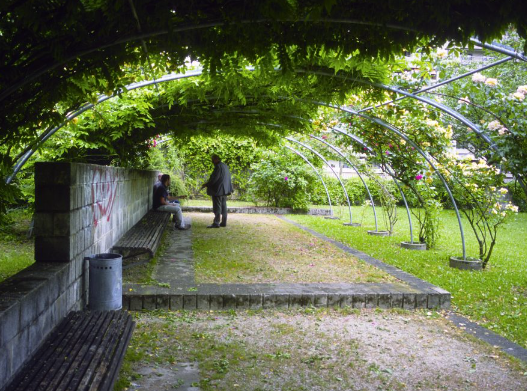
Georges Descombes is a prominent figure in contemporary landscape architecture, known for his innovative approach that blends functionality with aesthetic appeal. His designs transform spaces into unique environments that reflect the character of their surroundings while promoting sustainability and ecological awareness.
1. Understanding Georges Descombes’ Philosophy
Georges Descombes believes that landscape architecture should be deeply connected to its context. His works often feature a dialogue between natural elements and human-made structures, creating harmonious environments that resonate with both ecology and community needs. This philosophy emphasizes the importance of understanding local culture, geography, and climate in his design process, resulting in landscapes that tell a story unique to each site.
For example, in his project for the Cantonal Hospital of Geneva, Descombes integrated healing gardens that not only provide visual delight but also promote mental well-being for patients and visitors. These gardens use native plants, which require minimal maintenance and water, supporting local biodiversity and sustainability. Descombes’ ability to blend nature with modern architecture helps create spaces that encourage people to engage more with their environment.
-
- Study local history and culture before designing.
-
- Incorporate native plants to enhance biodiversity.
-
- Focus on sustainable materials to reduce environmental impact.
-
- Encourage community feedback during the planning phase.
2. Key Projects and Their Impact
One of Descombes’ most notable projects is the landscape surrounding the Léman Express train station in Geneva. This project not only focused on transit efficiency but also created public spaces that promote social interactions. By employing a multifaceted approach, Descombes enhanced the commuter experience while integrating green spaces that serve as urban oases, ultimately improving the quality of life for city dwellers.
The design includes green roofs, walkable terraces, and biodiverse habitats, all of which work together to improve air quality and urban aesthetics. This project is a prime example of how thoughtful landscape architecture can be instrumental in urban development. By creating environments that cater to both ecological functions and community needs, projects like Léman Express highlight Descombes’ innovative vision for future landscapes.
-
- Incorporate multifunctional spaces in urban design.
-
- Focus on enhancing public transportation accessibility.
-
- Utilize green roofs to maximize underutilized areas.
-
- Prioritize community engagement and feedback in design processes.
3. Techniques and Innovations in Landscape Design
Descombes often employs various techniques that marry modern technology with natural processes. One such innovation is his use of topography not just for aesthetic purposes but also for environmental management. His designs often include rainwater harvesting systems and permeable pavement to manage stormwater effectively, demonstrating an eco-centric approach that addresses real-world challenges.
Furthermore, his commitment to using local materials reflects a strong belief in reducing the carbon footprint of construction. By selecting stones and plants sourced from nearby regions, Descombes enhances the authenticity of his landscapes while minimizing transportation emissions. This level of thoughtful design is not only practical but also offers a blueprint for future sustainable projects, proving that landscape architecture can lead the way in environmental stewardship.
-
- Incorporate nature-based solutions for environmental challenges.
-
- Utilize local materials to reduce transport emissions.
-
- Design spaces that promote biodiversity and ecosystem health.
-
- Leverage topographical features to enhance water management.
Georges Descombes’ contributions to landscape architecture exemplify a modern approach that respects both nature and community. His projects serve as inspiring models for anyone looking to create sustainable and engaging outdoor spaces. As you consider your next design project, think about how you can integrate these principles and techniques to make a positive impact in your area.