
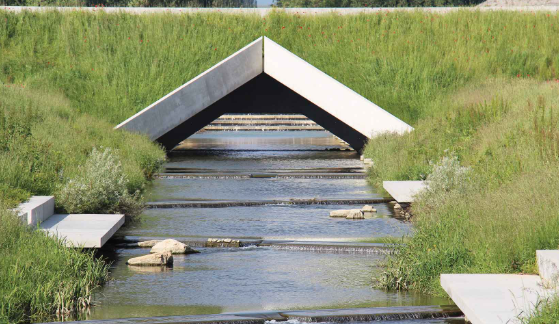
Georges Descombes is a renowned landscape architect known for his innovative and thoughtful design process. His work often melds environmental sustainability with modern aesthetics, resulting in spaces that resonate with both nature and humanity. Understanding his design methodology can provide insights into effective landscaping and urban planning.
1. Research and Concept Development
Descombes places significant emphasis on research as the initial step in his design process. He often begins by studying the site’s context, which includes historical, cultural, and ecological aspects. For example, when designing a new park, he may investigate the area’s history, topography, native plant species, and existing wildlife. This thorough research helps to outline the core principles that will guide his design decisions.
Concept development is the next stage, where the findings from his research blend into creative brainstorming. By exploring various themes or narratives that reflect the site’s character, Descombes crafts a vision that not only pleases the eye but also enhances the user experience. He often sketches out multiple concepts before narrowing down to a final design, allowing for flexibility and innovation throughout the process.
-
- Conduct a site analysis focusing on history, ecology, and culture.
-
- Engage with local stakeholders to gather diverse perspectives.
-
- Explore different design narratives through sketching and brainstorming.
-
- Use visual tools to communicate initial concepts effectively.
-
- Remain open to feedback and iterations during concept development.
2. Sustainable Material Selection
Another key aspect of Descombes’ design process is his commitment to sustainability, which reflects current ecological concerns. He prioritizes sourcing sustainable materials that minimize environmental impact. For example, instead of using concrete, he may opt for permeable paving stones that promote groundwater recharge. His careful material choices ensure that each project resonates with its natural surroundings and fosters ecological health.
This principle extends beyond materials to include water management strategies, plant selection, and energy efficiency. Descombes often considers how his designs will interact with local climate conditions, utilizing native plants that require less maintenance and irrigation. In doing so, he creates landscapes that are not only beautiful but also resilient and resource-efficient.
-
- Prioritize sourcing locally to reduce transportation impacts.
-
- Choose materials that are recyclable or biodegradable.
-
- Incorporate native plants to support local biodiversity.
-
- Implement water conservation techniques like rain gardens.
-
- Evaluate long-term maintenance and sustainability of chosen materials.
3. Integration of Human Experience
Descombes also pays great attention to the human experience within his designs. He believes that landscapes should be inviting, accessible, and engaging for people of all ages. During the design process, he considers various user interactions with the space, such as paths for walking, areas for gathering, and zones for recreational activities. By conducting user studies and engaging community feedback, he ensures that design elements cater to the needs and preferences of local residents.
A nuanced understanding of human behavior allows Descombes to craft spaces that promote social interactions and personal reflection alike. For example, when designing a public plaza, he may incorporate shaded seating areas and interactive art installations to encourage visitors to linger, socialize, or engage with their surroundings. This holistic approach ultimately enhances the social fabric of the community.
-
- Conduct user surveys to understand community needs.
-
- Create designs that are accessible to people of all abilities.
-
- Incorporate seating and gathering areas for social interaction.
-
- Ensure pathways are intuitive and connect key areas of the site.
-
- Design elements that stimulate engagement, like art or performance spaces.
Georges Descombes’ design process exemplifies a thoughtful balance between environmental sustainability, material innovation, and human engagement. By integrating these elements, he creates landscapes that are visually striking, ecologically sound, and universally inviting. As you consider landscaping or urban planning tasks, reflect on these strategies to enhance your own work.
In conclusion, understanding Georges Descombes’ design methodology can significantly inform your approach to landscaping or urban design. Whether you are a professional or an enthusiast, applying these principles can lead to more sustainable and engaging spaces. Don’t hesitate to reach out to experts or start projects that embody these innovative concepts!