
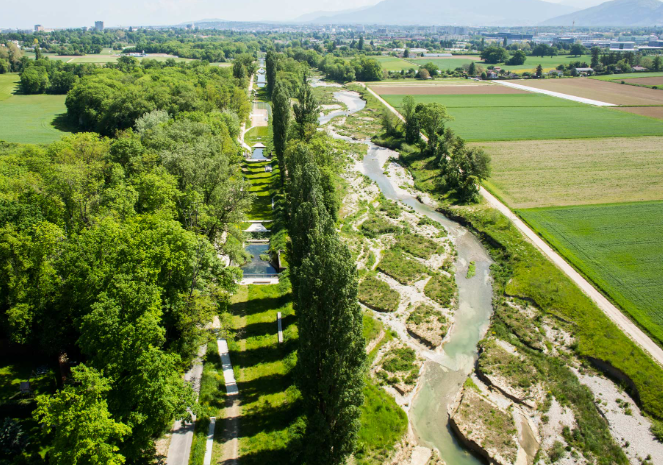
Georges Descombes is a prominent figure in the world of landscape architecture, known for his innovative designs that harmonize with nature. His books are a treasure trove of ideas, inspiration, and practical guidance for both budding and experienced landscape architects. Let’s explore some of his most significant works and what makes them essential reading in the field.
1. The Design Process: Understanding Descombes’ Approach
One of the key aspects of Georges Descombes’ literature is the exploration of his design process. He emphasizes the importance of understanding the site’s context, climate, and community before the design phase begins. In his books, he details how this phase involves thorough research and interaction with the landscape. For example, he often uses case studies from his own projects, illustrating how he incorporated local flora and cultural elements to achieve a seamless integration with the surroundings.
Descombes also discusses the role of iterative design, where elements are frequently revised based on feedback and evolving ideas. This approach not only leads to a well-rounded final product but also allows for adaptations that resonate with the local environment. By documenting this in his writings, he encourages readers to embrace flexibility and creativity throughout their projects.
-
- Conduct site assessments to understand environmental factors.
-
- Engage with local communities to gather insights and preferences.
-
- Utilize iterative design techniques for continuous improvement.
-
- Document every phase of the design process for future references.
2. Sustainable Practices in Landscape Architecture
Sustainability is a recurring theme in Descombes’ books, where he advocates for designs that not only beautify spaces but also promote environmental health. He describes techniques for choosing native plants that require less water and are more resilient to local climate conditions, reducing the overall ecological footprint of a project. By shining a light on specific examples, he shows how small changes can lead to significant environmental benefits, like improved biodiversity and water conservation.
Additionally, Georges Descombes emphasizes the importance of utilizing local materials and construction methods to enhance sustainability. In his work, he explains how locally sourced materials not only reduce transportation emissions but also support local economies and craftsmanship. This thoughtful approach not only benefits the environment but also enriches the community’s heritage and identity.
-
- Choose native plants to minimize water use and maintenance.
-
- Incorporate local materials in your landscape designs.
-
- Highlight ecological benefits in your project proposals.
-
- Evaluate potential impacts of your designs on local ecosystems.
3. Inspirational Case Studies: Learning from Real Projects
In his books, Georges Descombes often presents various case studies that reflect his design philosophy and innovative approaches. These case studies range from urban parks to large-scale public spaces, showcasing the versatility of his methods. By delving into specific projects, he provides readers with a deep understanding of how to balance aesthetics with functionality and sustainability in various contexts.
Moreover, these examples serve as a source of inspiration for aspiring landscape architects. By analyzing the decision-making processes and challenges faced in each project, readers can draw lessons and insights that they can apply to their own work. Descombes skillfully presents the evolution of each project, drawing a correlation between theory and practical application.
-
- Study successful projects for design inspiration.
-
- Assess the challenges faced in each case and how they were addressed.
-
- Take notes on how design decisions were influenced by the environment.
-
- Develop a portfolio of case studies for future reference.
4. The Role of Art in Landscape Architecture
Another fascinating theme in Descombes’ literature is the integration of art into landscape architecture. He posits that landscapes can evoke emotions and inspire connections among people. He describes how art can enhance the narrative of a space—transforming a park not just into a recreational area, but into a communal hub that tells a story. Descombes cites specific installations that have successfully bridged the gap between art and nature, offering readers a fresh perspective on their own projects.
In addition, he encourages landscape architects to incorporate artistic elements that resonate with local culture and history. This can include sculptures, murals, or other forms of art that depict local narratives and symbols, thus enriching the space and fostering community engagement. Such considerations can create a more immersive and meaningful environment for users.
-
- Explore local art styles and cultural elements for inspiration.
-
- Collaborate with local artists for integrated designs.
-
- Consider how art can convey narratives in your projects.
-
- Engage the community in discussions about public art installations.
In conclusion, Georges Descombes’ books present a wealth of knowledge that resonates with both new and seasoned landscape architects. His insightful approaches to design, sustainability, and the incorporation of art offer practical guidance for creating meaningful spaces. Consider diving into his work to elevate your understanding and application of landscape architecture principles. Let your next project reflect the harmony of nature, community, and artistry!