
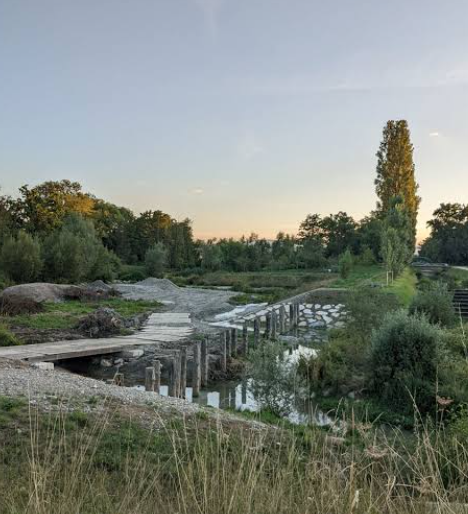
Georges Descombes is a recognized name in the world of landscape architecture, blending artistry with functionality. His work embodies a unique philosophy that embraces nature while addressing urban complexities. Understanding Descombes’ approach can inspire not only landscape architects but also anyone interested in sustainable design.
1. The Philosophy of Landscapes
Descombes’ design philosophy revolves around the idea of landscape as a living element rather than a static backdrop. He emphasizes the importance of understanding the ecological and social contexts of a site. For example, his projects often highlight local flora and fauna, ensuring that the landscape enhances biodiversity while serving the needs of the community.
This approach leads to an immersive experience for users, where the environment fosters interaction and engagement. Descombes also believes in involving the community in the design process, which helps to create spaces that resonate with local culture and identity. By prioritizing the user experience, his designs become meaningful, inviting visitors to connect with nature on a deeper level.
-
- Study the local environment before designing.
-
- Involve community members in the planning process.
-
- Choose native plants to promote biodiversity.
-
- Evaluate how your design enhances user interaction.
2. Urban Resilience and Sustainability
In today’s world, urban landscapes face numerous challenges such as climate change, population growth, and urban sprawl. Descombes champions resilience through sustainable design practices. His work often incorporates elements such as rain gardens and green roofs that manage stormwater and enhance the ecological balance of urban settings.
For instance, the construction of green spaces within urban environments not only beautifies the area but also contributes to air purification and noise reduction. By integrating nature into city planning, Descombes demonstrates how landscapes can address environmental challenges while improving quality of life for residents. His projects serve as great examples of how thoughtful design can result in thriving ecosystems within bustling cities.
-
- Incorporate green infrastructure like rain gardens and green roofs.
-
- Utilize materials that reduce environmental impact.
-
- Design for multi-functionality to maximize utility.
-
- Implement water-efficient irrigation systems.
3. Iconic Projects by Georges Descombes
Several notable projects illustrate Descombes’ expertise and vision as a landscape architect. One such project is the “Palladium Park” in Geneva, which transforms a former industrial site into a vibrant public space. The park features areas for leisure, biodiversity, and community gathering, showcasing how neglected spaces can be revitalized.
Another exemplary project is the “Cité de l’Espace” in Toulouse, where Descombes created a harmonious blend of architecture and landscape. The design offers dramatic views of the surrounding environment while integrating astronomical themes throughout the landscape features. These projects not only display Descombes’ creativity but also serve as models for merging functionality and aesthetic appeal.
-
- Explore case studies of Descombes’ projects for inspiration.
-
- Analyze how each project integrates local culture.
-
- Look for solutions to common urban challenges in his work.
-
- Consider how these projects can inform your own designs.
In conclusion, Georges Descombes’ approach to landscape architecture offers valuable insights into sustainable and community-focused design. By incorporating elements of nature into urban planning, he creates spaces that are not only functional but also enhance the quality of life. If you’re considering a landscaping project, consult a professional or start exploring the principles of sustainable design inspired by Descombes’ work.