
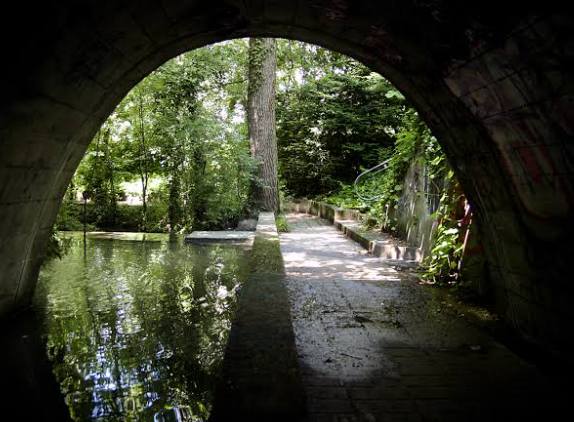
Georges Descombes is a prominent figure in public space design, known for his innovative approach to creating environments that connect people to their surroundings. His work transcends traditional landscape architecture by focusing on social interactions, ecological sustainability, and urban resilience. In this blog post, we will explore the key principles of Descombes’ design philosophy and highlight examples of his influential projects.
1. The Philosophy of Integration
One of the cornerstones of Georges Descombes’ work is the philosophy of integration. He believes that public spaces should seamlessly blend with their urban context and promote community interaction. For instance, in the design of various parks, he doesn’t just focus on green spaces but considers how these areas can interact with adjacent buildings and transportation systems to enhance community engagement. This holistic perspective ensures that public areas do not function in isolation but rather as vibrant, interconnected parts of the urban fabric.
Descombes also emphasizes the importance of ecological balance in his designs. He often incorporates native plant species and sustainable materials, promoting a sense of place that resonates with the local environment. This approach serves to educate the public on ecological issues while creating a habitat that supports local wildlife, further enriching the social value of public spaces.
-
- Consider how your designs can integrate with existing urban elements.
-
- Use native plants and materials to enhance ecological sustainability.
-
- Engage community members in the design process to reflect their needs.
-
- Pay attention to circulation patterns to create efficient layouts.
2. Engaging the Community
Descombes places a significant emphasis on community engagement in the design process. He believes that the best public spaces are those shaped by the voices of the community they serve. To facilitate this, he often conducts workshops and forums where locals can share their ideas, preferences, and concerns. This interaction fosters a sense of ownership and belonging among community members, making them more likely to respect and use the space.
In projects like the Parc de l’Observatoire in Geneva, Descombes incorporated feedback from hundreds of local residents, resulting in a park that reflects their aspirations and needs. The inclusive process not only strengthens community ties but also leads to spaces that are more functional and enjoyable for everyone involved.
-
- Host community workshops to gather input for design choices.
-
- Create surveys to understand local needs and preferences.
-
- Incorporate feedback into your design for greater public buy-in.
-
- Encourage volunteer efforts to maintain public spaces.
3. Sustainability at the Core
Sustainability is another crucial aspect of Georges Descombes’ public space design philosophy. He is committed to using sustainable practices and materials in every project, minimizing environmental impact while maximizing the spaces’ longevity and usability. For example, he often designs water management systems that not only beautify parks but also handle runoff effectively. These systems promote ecological health while serving essential functional needs.
Moreover, Descombes integrates technologies such as renewable energy sources into his projects. This can involve incorporating solar panels into park amenities or using permeable surfaces that facilitate natural water filtration. Such innovations do not just contribute to environmental sustainability; they also serve as educational tools for the community, raising awareness about sustainable practices and their benefits.
-
- Incorporate renewable energy solutions in public spaces.
-
- Use permeable materials to manage stormwater effectively.
-
- Educate the community about sustainable practices through signage.
-
- Choose durable materials that require less maintenance.
Georges Descombes’ public space design philosophy is a rich tapestry of integration, community engagement, and sustainability, making his works exemplary within the field of landscape architecture. By focusing on these key elements, he has successfully created spaces that not only satisfy functional needs but also foster social connections and provide ecological benefits. If you are inspired by this approach, consider consulting professionals in your area to start a conversation about revitalizing your community spaces.