
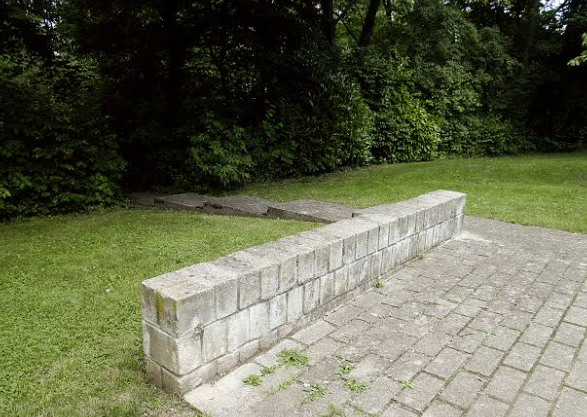
Sustainable landscape design has become increasingly vital as we strive to create environments that are not only aesthetically pleasing but also eco-friendly. Georges Descombes, a renowned landscape architect, has led the charge with innovative practices that harmoniously integrate nature and built environments. This post explores his sustainable design principles and how they can inspire anyone looking to create a greener space.
1. Understanding the Principles of Sustainable Landscape Design
Georges Descombes focuses on designing landscapes that promote ecological health. Central to his philosophy is the idea of working with natural processes rather than against them. By utilizing native plants and local materials, Descombes creates sustainable landscapes that require less maintenance and resources, conserving water and energy in the process.
Moreover, Descombes emphasizes the importance of soil health in sustainable design. By enhancing soil life through composting and minimizing chemical inputs, he encourages landscapes that are resilient and capable of thriving in diverse conditions. This results not only in beautiful gardens but also in spaces that contribute positively to local ecosystems.
-
- Research native plant species for your area.
-
- Use organic matter to enrich your soil.
-
- Plan your landscape around existing natural processes.
-
- Minimize water use by choosing drought-resistant plants.
2. The Role of Water Management in Landscape Design
Water management is a crucial element of Georges Descombes’ work. He utilizes methods such as rain gardens, bioswales, and permeable pavement to manage stormwater runoff effectively. These techniques not only prevent flooding but also filter pollutants and recharge groundwater, supporting local aquatic ecosystems.
Descombes encourages the reuse of greywater and the collection of rainwater as sustainable practices. By integrating these water management systems into landscape design, he reduces the demand for municipal water supplies and lowers the overall water footprint of the landscape. This kind of innovative water stewardship is essential for future resilience in our changing climate.
-
- Install rain barrels to capture runoff.
-
- Create bioswales to direct and filter water.
-
- Expand areas of permeable surfaces to reduce runoff.
-
- Consider drought-resistant landscaping to mitigate water use.
3. Landscape as a Habitat: Encouraging Biodiversity
Biodiversity is a cornerstone of sustainable landscape design, and Descombes understands that creating habitats for local wildlife is essential. His designs often incorporate a variety of plants, providing food and shelter for birds, pollinators, and other beneficial creatures. This approach not only enhances the beauty of the landscape but also fosters ecosystem health.
Creating habitats means selecting plants that bloom at different times and have various heights and structures. This diversity can attract different species, making the landscape a thriving environment. Descombes’ projects often highlight the importance of connectivity, where gardens and green spaces link together to form larger ecological corridors.
-
- Include a mix of native plants in your garden.
-
- Add features like birdhouses and bee hotels.
-
- Design pathways that connect to other green spaces.
-
- Limit pesticide use to protect beneficial species.
In conclusion, Georges Descombes’ approach to sustainable landscape design provides valuable insights for anyone looking to create greener spaces. By focusing on ecological health, efficient water management, and biodiversity, you can contribute to a more sustainable future. Consider consulting a professional to assist with your landscaping ideas or start incorporating these principles into your home garden today!