
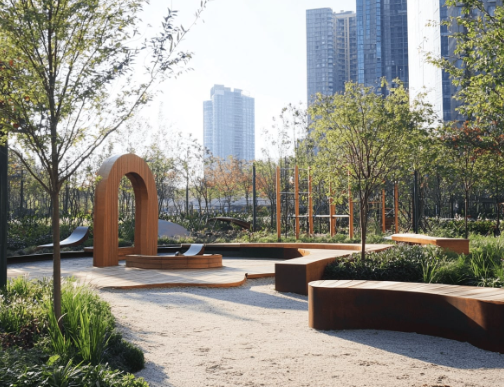
Landscape architects play a vital role in shaping our public spaces, influencing how communities engage with their environment. Through thoughtful design, they create parks, streetscapes, and recreational areas that not only enhance aesthetics but also foster social interaction and promote sustainability.
1. Enhancing Community Well-being
One of the most significant impacts landscape architects have is in enhancing community well-being. Thoughtfully designed public spaces can encourage physical activity, reduce stress, and improve mental health. For instance, parks with walking trails, natural landscaping, and community gardens promote outdoor activity, while also providing a peaceful escape from urban life. Places like New York’s Central Park or San Francisco’s Golden Gate Park exemplify how landscape architecture can enhance enjoyment of the outdoors.
Moreover, landscape architects consider accessibility in their designs, ensuring that everyone, including individuals with disabilities, can enjoy these public spaces. Integrating features such as wheelchair-accessible paths, sensory gardens, and quiet zones allows for a diverse range of experiences and truly creates a sense of belonging for all community members.
-
- Prioritize green space in urban planning.
-
- Incorporate walking and biking paths to promote active lifestyles.
-
- Design inclusive spaces that cater to all community members.
-
- Utilize natural elements for stress reduction.
-
- Consult with community members for their needs and preferences.
2. Promoting Environmental Sustainability
Landscape architects are also key players in promoting environmental sustainability. They implement sustainable practices in their designs, such as using native plant species, which require less water and maintenance, and designing rain gardens that manage stormwater runoff. These practices help promote biodiversity and reduce environmental impacts, making public spaces more resilient to climate change.
In addition, landscape architects advocate for the integration of green infrastructure, such as green roofs and permeable pavements, which can significantly reduce heat island effects in urban areas. Projects like the High Line in New York City showcase how sustainable landscape practices can transform underutilized spaces into vibrant ecosystems, providing both ecological and social benefits.
-
- Choose native plants for reduced maintenance and water usage.
-
- Implement rain gardens to manage stormwater sustainably.
-
- Consider green infrastructure in urban designs.
-
- Promote biodiversity by creating diverse ecosystems in public spaces.
-
- Engage local communities in ecological restoration projects.
3. Fostering Community Engagement
Landscape architects design spaces that foster community engagement and interaction. By creating gathering places, such as plazas and amphitheaters, they encourage socializing, cultural activities, and community events. For example, the revitalization of downtown areas often includes spaces that promote local markets, concerts, and festivals, enriching community life and local economies.
Additionally, landscape architects often engage with community members early in the design process. Through workshops and design charrettes, they gather input and feedback that can significantly influence the outcome of public space projects. This collaborative approach not only creates more relevant designs but also fosters a sense of ownership among community members, ultimately leading to better-maintained and more beloved public spaces.
-
- Encourage community participation in the design process.
-
- Design multifunctional spaces that can host events.
-
- Incorporate art and culture to reflect local heritage.
-
- Create spaces that facilitate social interaction.
-
- Regularly assess community needs to adapt designs accordingly.
4. Improving Urban Connectivity
Landscape architects significantly contribute to improving urban connectivity. They design pedestrian-friendly spaces that make it easier for people to navigate their neighborhoods without relying heavily on vehicles. Incorporating features such as well-planned sidewalks, biking paths, and public transit stops not only enhances accessibility but also encourages environmentally friendly modes of transportation.
Furthermore, landscape architects collaborate with urban planners to create integrated networks of green spaces and pathways that connect neighborhoods and vital public infrastructure. This not only promotes mobility but also encourages residents to enjoy their surroundings while reducing congestion and pollution in urban areas.
-
- Design pedestrian and cycling routes that connect key locations.
-
- Incorporate public transport stops within easy reach of green spaces.
-
- Utilize signage to improve navigation and awareness of public spaces.
-
- Advocate for traffic-calming measures in community areas.
-
- Make pathways inclusive and accessible to all users.
In conclusion, landscape architects play a crucial role in shaping public life by creating spaces that enhance well-being, promote sustainability, encourage community interaction, and improve connectivity. If you’re passionate about the environment or community design, consider consulting with a landscape professional to understand how you can get involved or support ongoing efforts in your area.