
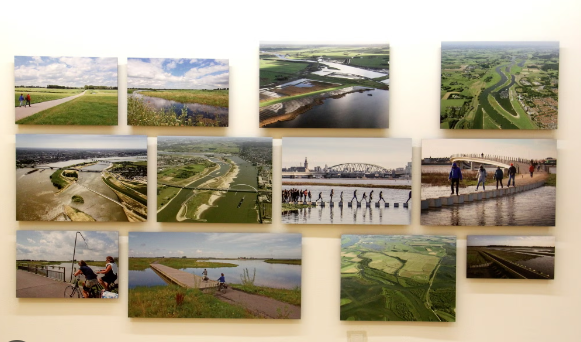
Ian McHarg was a pioneer in landscape architecture and environmental planning, best known for his innovative approach to climate-responsive design. His ideas emphasized the importance of understanding natural systems in order to create sustainable landscapes that harmonize with their environment.
1. Understanding Ian McHarg’s Philosophy
McHarg’s philosophy centered on the idea of “design with nature.” He believed that landscape architects should respect and integrate natural systems—like topography, hydrology, and ecosystems—into their designs. By doing so, professionals can create landscapes that are not only beautiful but also resilient against the challenges posed by climate change. His landmark book, “Design with Nature,” laid the foundation for this approach, highlighting the importance of ecological considerations in planning.
One of his most significant contributions was the idea of overlay mapping, a method used to identify the best natural conditions for development. This technique allows for a clear visual representation of various ecological factors, enabling more informed decision-making. For example, by layering maps of soil types, wildlife habitats, and water bodies, planners can avoid creating developments in areas prone to flooding or habitat destruction.
-
- Study McHarg’s principles in “Design with Nature” for a foundational understanding.
-
- Learn about overlay mapping and consider taking workshops on GIS (Geographic Information Systems).
-
- Familiarize yourself with local ecological systems and environmental challenges.
-
- Engage in community discussions about sustainable landscape practices.
2. Practical Applications of Climate-Responsive Design
Applying McHarg’s principles today involves various techniques, including biophilic design, which focuses on integrating nature into man-made environments. For instance, many urban planners are employing green roofs, which not only help to insulate buildings but also contribute to urban biodiversity and manage stormwater. By studying how natural systems function, designers can create spaces that not only survive but thrive amid climate fluctuations.
Another practical application of McHarg’s work can be seen in water-sensitive urban design (WSUD), which emphasizes the sustainable management of the water cycle. For example, permeable pavement can be used to reduce runoff and recharge groundwater supplies. Design strategies such as rain gardens not only enhance aesthetic appeal but also serve a vital function in managing stormwater, highlighting McHarg’s ethos of making functional landscapes that serve ecological needs.
-
- Incorporate green infrastructure like rain gardens and bioswales in new designs.
-
- Use native plants that require less water and provide habitat for local wildlife.
-
- Seek innovations in materials, such as permeable pavements, for urban areas.
-
- Collaborate with hydrologists to evaluate the environmental impact of your designs.
3. Case Studies: Success Stories of Climate-Responsive Designs
Numerous projects across the globe have successfully implemented McHarg’s climate-responsive design principles. For example, the city of Portland, Oregon, has embraced sustainable landscape features such as green roofs and urban forestry, significantly reducing urban heat and managing stormwater effectively. These initiatives not only improve the environment but also promote community well-being, echoing McHarg’s belief in creating spaces that serve human needs alongside ecological resilience.
Another compelling case is Founders Park in South Carolina, which was designed to be not only aesthetically pleasing but also to mitigate flooding. The park incorporates swales and native vegetation that absorb excess water, demonstrating McHarg’s principles in action. The design allows for community gatherings while ensuring ecological stability, providing a blueprint for developments that prioritize both nature and human use.
-
- Research successful climate-responsive landscape design projects in your area.
-
- Visit parks and urban spaces that exemplify McHarg’s principles for firsthand observation.
-
- Attend lectures or webinars on ecological design to learn from industry leaders.
-
- Document local success stories to inspire community engagement in sustainable practices.
In conclusion, Ian McHarg’s approach to climate-responsive landscape design offers invaluable insights for creating sustainable and resilient environments. By understanding and integrating natural systems into our designs, we not only honor his legacy but also provide solutions to contemporary ecological challenges. Consider consulting a professional in landscape architecture to explore how these concepts can impact your projects or community initiatives.