
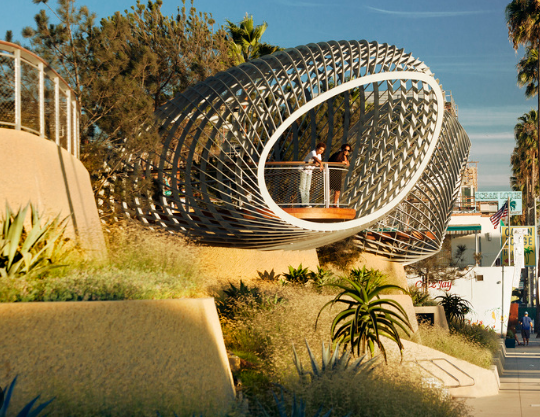
James Corner, a renowned landscape architect and urban designer, has significantly influenced how we perceive and implement landscape infrastructure. His innovative concepts have transformed traditional views on landscapes, merging ecological functions with urban frameworks to create sustainable and multifunctional spaces.
1. Understanding Landscape Infrastructure
Landscape infrastructure is a holistic approach that views landscapes as multifunctional systems that can support both ecological health and human activities. This idea challenges the conventional separation of natural landscapes and urban development, positing that integrating these aspects leads to more sustainable cities. For example, Corner’s work on projects like the High Line in New York City exemplifies how urban spaces can incorporate green elements, rainwater management, and recreational areas.
The benefits of landscape infrastructure are manifold, providing not only aesthetic enhancement but also improving air quality, biodiversity, and social interaction. As cities continue to grow, integrating these systems offers a blueprint for managing urban sprawl while preserving essential ecological functions. Ensuring that landscapes meet both human needs and environmental goals is key to creating livable and resilient urban spaces.
-
- Consider ecological systems when planning urban developments.
-
- Integrate green spaces into existing infrastructure.
-
- Utilize native plant species to enhance biodiversity.
-
- Incorporate water management solutions like bioswales and rain gardens.
-
- Encourage community involvement in landscape design.
2. The Role of Community in Landscape Design
One of Corner’s pivotal beliefs is that communities should play an active role in shaping their landscapes. This involvement fosters a deeper connection between residents and their environments, ensuring the spaces created truly reflect local needs and cultures. For instance, in his project for the Freshkills Park in Staten Island, he focused on engaging the local community in the planning process, allowing their voices to influence the design of the park, which is a former landfill being converted into a green oasis.
Community-driven landscape design not only enhances the functionality of spaces but also promotes social cohesion. When citizens contribute ideas and feedback, they are more likely to engage with and take ownership of these spaces, resulting in better maintenance and a stronger sense of community. This participatory approach can address critical issues such as accessibility, safety, and environmental education.
-
- Host workshops to gather community input on design ideas.
-
- Create design charrettes to explore various concepts collaboratively.
-
- Incorporate local art and cultural elements into landscapes.
-
- Foster ongoing dialogue through feedback sessions after project completion.
-
- Promote events that celebrate the use of public landscapes.
3. The Future of Urban Landscapes
James Corner’s visionary ideas on landscape infrastructure set a precedent for future urban development, marrying ecological sustainability with urbanism. As climate change impacts intensify, creating resilient landscapes will be crucial. Innovative approaches—such as creating green roofs, urban forests, and permeable pavements—can help cities adapt by managing stormwater and reducing urban heat islands.
Emerging technologies can also enhance these efforts. For example, GIS mapping and data analytics can be employed to understand environmental patterns and inform better planning decisions. The use of drones for assessing vegetation health and monitoring changes over time can lead to smarter maintenance practices and improved landscape resilience.
-
- Stay informed about new sustainable technologies and materials.
-
- Incorporate data analysis into site assessments.
-
- Explore partnerships with tech companies for innovative solutions.
-
- Measure the ecological performance of urban interventions.
-
- Invest in education and training for city planners on sustainability.
In conclusion, James Corner’s perspective on landscape infrastructure encourages us to rethink the relationship between urban environments and natural ecosystems. By adopting these innovative, community-oriented, and sustainable practices, we can pave the way for future cities that are not only functional but also beautiful and resilient. Consider engaging with local professionals to explore how you can start integrating these concepts into your projects or community spaces.