
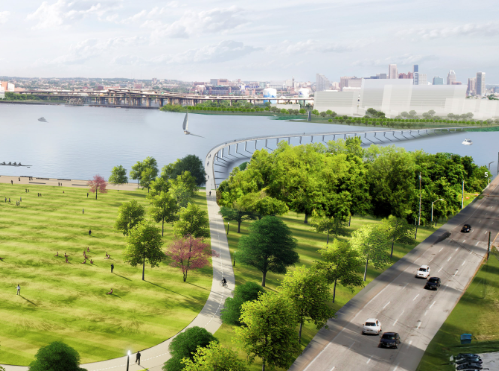
James Corner, a well-known landscape architect and urban designer, emphasizes the importance of flexibility in urban design. His innovative ideas blend functionality with aesthetics, ensuring that urban spaces cater to the dynamic needs of communities.
1. The Concept of Flexibility
Flexibility in urban design is about creating spaces that adapt over time to meet the changing needs of residents and the environment. James Corner argues that rigid designs can lead to outdated spaces, which fail to serve the community effectively. Instead, he advocates for flexible strategies that allow public spaces to evolve, encouraging adaptability in architecture and urban infrastructure.
For instance, parks and public squares can be designed with movable furniture, allowing users to configure the space according to their needs. This approach not only enhances user experience but also embraces the diverse activities that occur in urban landscapes, from community events to quiet reflections. Corner showcases how playful, interactive elements integrated into design can invite people to use spaces in unexpected ways.
-
- Incorporate movable elements in public spaces.
-
- Ensure diverse activity areas to attract various community members.
-
- Encourage temporary installations to test new ideas.
-
- Design with community feedback to enhance relevance.
2. Case Studies: Successful Applications of Flexibility
Several urban projects exemplify James Corner’s principles of flexibility in urban design. One notable example is the High Line in New York City, a formerly abandoned railway transformed into an elevated park. Corner’s design allows for both structured pathways and spontaneous seating arrangements, catering to pedestrians seeking solitude and those engaging in group activities alike.
Moreover, the implementation of flexible programming in spaces like the High Line encourages a diverse array of events—from art installations to community gatherings. These occurrences keep the space vibrant and continuously relevant, ensuring it serves as a true reflection of the city’s culture and values. The popularity of the High Line underscores the value of flexibility, attracting millions of visitors each year and revitalizing surrounding neighborhoods.
-
- Study existing successful projects for inspiration.
-
- Consider historical context to inspire adaptability.
-
- Utilize modular components in construction.
-
- Regularly reassess space usage and redesign as needed.
3. Implementing Flexibility in Local Urban Planning
Applying James Corner’s ideas requires an active partnership between urban planners, government bodies, and local communities. Planners can promote flexibility by emphasizing mixed-use developments that allow for residential, commercial, and recreational spaces to coexist. This approach can create vibrant environments that encourage social interactions and economic opportunities.
Additionally, encouraging public participation in the design process ensures that the community’s voice is heard, allowing for spaces that truly reflect their needs. Workshops and interactive sessions can yield valuable insights about what the community desires, making it easier to create adaptive spaces. By focusing on collaborative design, urban planners can ensure that new developments remain relevant for years to come.
-
- Host community workshops to gather input on designs.
-
- Prioritize mixed-use developments for social interaction.
-
- Collaborate with local businesses and organizations.
-
- Incorporate community feedback in revision cycles.
4. Environmental Considerations in Flexible Design
Flexibility is not only about accommodating human activity; it is also about adapting to the environmental aspects of urban areas. James Corner promotes sustainable practices within urban design by incorporating green infrastructure. For example, designing spaces that allow for rainwater absorption mitigates flooding and encourages biodiversity in urban settings.
Furthermore, such environmentally focused designs can be improved upon through techniques that allow for natural elements to be integrated seamlessly. Flower gardens, trees, and green walls can serve as both aesthetic enhancements and ecological solutions, creating an adaptable urban landscape. By prioritizing eco-friendly approaches, urban environments can enhance their resilience against climate change.
-
- Incorporate native plants to support local wildlife.
-
- Design spaces to manage stormwater efficiently.
-
- Use permeable materials for pathways and surfaces.
-
- Engage in regular environmental impact assessments.
5. The Future of Urban Design with Flexibility
Looking ahead, flexibility will play a pivotal role in shaping urban design in response to ongoing changes. As cities grow, face climate challenges, and adapt to new technologies, the designs must evolve correspondingly. James Corner’s focus on flexibility encourages adaptability in both functionality and aesthetics, ensuring that urban areas continuously meet the needs of its inhabitants.
Moreover, integrating smart technologies into urban design can provide an extra layer of flexibility. For example, using smart sensors can help monitor and manage traffic flow, energy usage, and space occupancy, allowing urban planners to adjust designs in real-time based on data. This intersection of technology and urban design promises a future where cities can evolve intelligently, enhancing livability for all.
-
- Stay informed about emerging technologies in urban design.
-
- Invest in adaptive technologies for city infrastructure.
-
- Encourage collaborations between tech and design professionals.
-
- Promote continuous learning and adaptation in design practices.
In conclusion, the flexible approach advocated by James Corner offers vital insights for modern urban design. Embracing adaptability enables cities to meet the dynamic needs of their populations while also addressing environmental challenges. Engaging with urban planning professionals and local communities can help ensure that future designs remain versatile and relevant.