
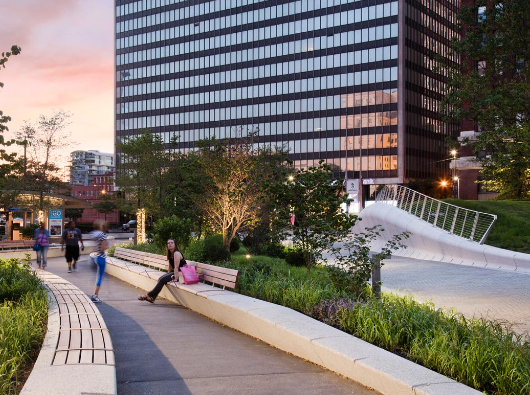
James Corner has significantly impacted the field of landscape architecture, especially with his handling of large-scale projects. Known for his innovative and community-oriented designs, he approaches each project by considering not only the physical landscape but also the social context surrounding it.
1. Emphasis on Contextual Design
One of James Corner’s trademarks is his emphasis on the relationship between a project and its surrounding context. This involves a deep analysis of the historical, cultural, and ecological factors that influence the area. For instance, in his work on the High Line in New York City, Corner engaged with the history of the site as an elevated railway and transformed it into a lush public space, integrating native plant species and creating areas for community gathering.
By investigating the identity and narrative of a site, Corner’s designs resonate deeply with local communities. Contextual design ensures that each project not only enhances its immediate space but also honors its heritage. This powerful approach fosters pride and ownership among the users, making them more likely to engage with the space positively.
-
- Conduct thorough research on the historical background of the site.
-
- Involve local stakeholders in the design process.
-
- Observe how people currently interact with the space.
-
- Consider ecological impacts and sustainability.
-
- Design to reflect the community’s culture and identity.
2. Integrating Nature with Urban Living
Corner’s approach seamlessly integrates nature into urban environments, promoting ecological restoration and sustainability. A notable example is the BIG U project, a landscape design aimed at protecting New York City from flooding while providing parkland. Corner emphasizes the need for urban infrastructure to coexist with nature, not separate from it.
His designs often feature green roofs, rain gardens, and bioswales, which not only contribute to stormwater management but also enhance biodiversity. By crafting urban spaces that respect and incorporate nature, Corner challenges the traditional view of cities as concrete jungles, advocating for a more harmonious relationship with the environment.
-
- Incorporate green infrastructure elements like trees and vegetation.
-
- Use local flora to support biodiversity in urban areas.
-
- Design spaces that encourage ecological interaction.
-
- Ensure water management systems are integrated into the design.
-
- Promote outdoor activities that connect people with nature.
3. Collaborative Community Engagement
James Corner advocates for active community engagement throughout the design process. He believes that involving the community not only enriches the project but also builds a sense of belonging and ownership among its users. His work with the Design Trust for Public Space exemplifies this principle, as they encourage public input in planning efforts across New York City.
By organizing workshops and forums, Corner creates platforms where community members can voice their needs and aspirations. This collaboration empowers stakeholders, ensuring that the final outcome reflects their vision while also addressing broader urban challenges. Involving the community can transform projects into shared endeavors that resonate on emotional and functional levels.
-
- Hold workshops to gather input from local residents.
-
- Use surveys to gauge community priorities and preferences.
-
- Facilitate regular updates to maintain transparency.
-
- Offer tours of conceptual designs to invite feedback.
-
- Create opportunities for ongoing community involvement post-completion.
James Corner’s transformative approach to large-scale projects highlights the significance of contextual design, ecological integration, and community engagement. By leveraging these principles, landscape architects can create spaces that are not only functional but also enriching for the communities they serve. For those looking to implement these ideas, consulting with professionals who specialize in inclusive design and environmental stewardship could be a valuable next step.