
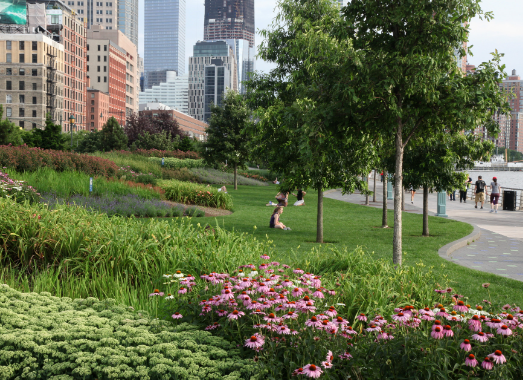
As the challenges posed by climate change grow more complex, the role of landscape architects in fostering climate resilience becomes increasingly vital. These professionals not only design aesthetically pleasing outdoor spaces but also integrate sustainability and ecological principles into their work. By employing innovative practices, they help create landscapes that can withstand environmental impacts while enhancing community well-being.
1. Understanding Climate Resilience in Landscape Architecture
Climate resilience refers to the ability of communities and ecosystems to prepare for, respond to, and recover from climate-related disturbances. Landscape architects play a crucial role in enhancing this resilience by designing spaces that can accommodate changes such as extreme weather, rising temperatures, and increased flooding. By incorporating natural features such as trees, wetlands, and green roofs, landscape architects can help reduce the urban heat island effect and improve stormwater management.
For instance, public parks designed with native vegetation can absorb excess rainwater, reducing the risk of flooding while also providing habitat for wildlife. Additionally, these green spaces encourage community interaction and improve mental health by offering residents an area to relax and engage with nature. Through thoughtful design, landscape architects ensure that both humans and ecosystems can thrive in a changing climate.
-
- Foster awareness of climate impacts on local ecosystems.
-
- Utilize native plant species in landscaping designs.
-
- Implement stormwater management systems like rain gardens.
-
- Design for flexibility to adapt to future climate conditions.
2. Implementing Sustainable Practices
Sustainable practices in landscape architecture involve designing and managing outdoor spaces in ways that conserve resources and generate less environmental impact. These practices not only contribute to ecosystem health but also promote sustainable community lifestyles. For example, the use of permeable pavements helps reduce runoff and encourages groundwater recharge, while eco-friendly irrigation systems minimize water use.
Moreover, integrating renewable energy sources, like solar lighting, into landscape designs can significantly decrease reliance on nonrenewable resources. Additionally, utilizing recycled materials in site furnishings or hardscaping can lower carbon footprints and give new life to discarded resources. By incorporating these sustainable practices, landscape architects provide a blueprint for communities aiming for a greener future.
-
- Conduct site assessments to understand environmental conditions.
-
- Choose sustainable materials for construction and landscaping.
-
- Plan for water conservation and energy efficiency.
-
- Encourage community feedback to create more inclusive designs.
3. Engaging Communities in Climate Resilience Efforts
Effective landscape architecture requires collaboration with local communities to address their specific climate challenges. Engaging citizens in the design process ensures that their needs, preferences, and insights are reflected in the final product. Community workshops, surveys, and participatory design sessions are instrumental in this process, allowing residents to become champions of climate resilience in their neighborhoods.
Involving local communities also fosters a sense of ownership and pride, which can lead to better maintenance and stewardship of the landscapes. Successful examples include urban greenways that not only improve pedestrian access but also help mitigate flooding and enhance biodiversity. By working hand-in-hand with residents, landscape architects can cultivate spaces that are not only functional but also deeply connected to the local culture.
-
- Host community meetings to gather feedback on landscape designs.
-
- Incorporate local cultural elements into design solutions.
-
- Educate residents about the benefits of sustainable landscapes.
-
- Encourage volunteer opportunities for community involvement.
In conclusion, landscape architects are at the forefront of developing climate resilience solutions for communities. By embracing sustainable practices and engaging local residents, they create spaces that not only withstand environmental changes but enrich community life. If you’re interested in how these designs can benefit your area, consider consulting a landscape architect to explore tailored solutions for your community.