
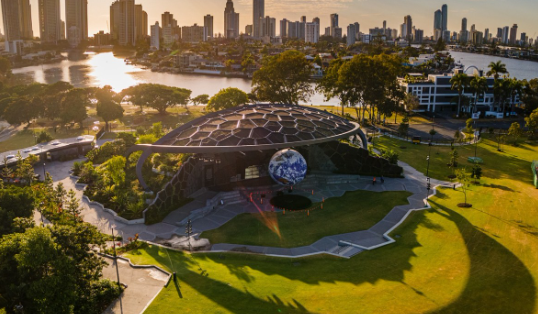
Landscape architecture is a discipline that transcends the mere design of outdoor spaces; it plays a crucial role in expressing cultural identity. By integrating natural landscapes with community values and historical significance, landscape architects can create environments that reflect and enhance the unique character of a place.
1. Understanding Cultural Identity in Landscape Architecture
Cultural identity encompasses the shared beliefs, values, and practices of a community. In landscape architecture, understanding this identity is imperative for designing spaces that resonate with local inhabitants. For instance, incorporating native plants and materials relevant to local history can create a sense of belonging and pride among residents. An example is the use of traditional patterns in walkway designs that represent cultural motifs, reinforcing community ties.
Moreover, cultural identity evolves over time; thus, landscape architects must engage in continual research and dialogue with communities. By conducting interviews, surveys, or workshops, they can gather insights into how local history influences landscape preferences. Such engagement not only helps in crafting meaningful designs but also fosters a sense of ownership among residents.
-
- Conduct community surveys to understand local cultural values.
-
- Utilize native plants that reflect local heritage in design.
-
- Incorporate community feedback throughout the design process.
-
- Research local history to inform material choices and design elements.
2. Case Studies: Successful Integration of Cultural Identity
Numerous projects worldwide showcase successful integrations of cultural identity in landscape architecture. In the United States, the National Mall in Washington, D.C., serves as a canvas for American historical narratives. The placement of monuments, memorials, and green spaces narrates the collective memory of a nation. The design respects traditions while accommodating contemporary needs, illustrating the adaptability of cultural identity within landscapes.
Another notable example is the Sydney Opera House’s surrounding landscape. The design incorporates both the indigenous heritage and contemporary urban aesthetics. The surrounding plazas and pathways are accented with local flora and community art, emphasizing Australia’s rich cultural tapestry. This blend creates not just a functional space but a venue that reflects the spirit of the nation.
-
- Study local examples of landscape architecture that resonate with community values.
-
- Analyze the impact of cultural references in notable projects.
-
- Network with local artists to integrate community art into designs.
-
- Assess the historical significance of areas before beginning design work.
3. The Role of Landscape Architects in Community Engagement
Landscape architects play a pivotal role in cultivating community engagement. Through workshops and community design charettes, they actively involve local residents in the design process. This collaboration helps ensure that the final product is not only aesthetically pleasing but also functionally suited to the community’s needs. By fostering dialogue, landscape architects can imbue their designs with deeper meaning and relevance.
Additionally, educators in the field encourage the next generation of landscape architects to prioritize community values. Universities often incorporate cultural studies into landscape architecture curricula, equipping students with the skills to consider cultural context in their design work. This education fosters a mindset of inclusivity, ensuring that future designs honor local heritage and cultural narratives.
-
- Organize community workshops to gather input and ideas.
-
- Incorporate cultural studies into landscape architecture education.
-
- Encourage collaborative planning sessions with diverse community members.
-
- Invite local historians or cultural leaders to share insights.
4. Sustainability and Cultural Identity
The synthesis of sustainability and cultural identity within landscape architecture is becoming increasingly essential. By using environmentally friendly materials and designs that respect local ecosystems, landscape architects can honor indigenous cultural practices that emphasize balance with nature. For example, rain gardens can be created using traditional planting techniques that not only manage stormwater but also reflect the agricultural heritage of the region.
Furthermore, resilient landscapes—those that adapt to climate change—also consider cultural context. Designing public spaces that can withstand extreme weather, while embracing local cultural elements, promotes both environmental sustainability and community identity. Such landscapes maintain their significance even amidst changing environmental conditions, thereby serving as a testament to cultural resilience.
-
- Research traditional agricultural practices for sustainable designs.
-
- Incorporate eco-friendly materials in landscape projects.
-
- Design adaptable spaces that meet the community’s future needs.
-
- Promote educational programs about sustainability in cultural contexts.
In conclusion, integrating cultural identity into landscape architecture offers both aesthetic and functional benefits, enriching communities while honoring their heritage. If you’re considering a project that incorporates these elements, consulting with a professional landscape architect can help ensure you create a meaningful space that resonates with local values and traditions. Take that first step towards a beautiful, culturally reflective landscape today!