
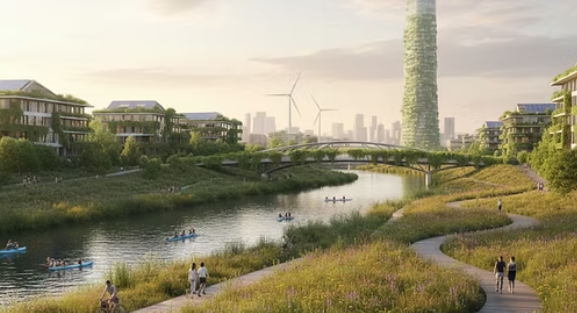
The role of landscape architects is evolving as cities strive to become more sustainable. These professionals not only design aesthetic outdoor spaces but also focus on creating environments that promote ecological balance and resilience. In this blog post, we will explore how landscape architects contribute to sustainable urban environments through innovative designs and practices.
1. Integrating Green Infrastructure
One of the most significant contributions landscape architects make toward sustainable cities is the integration of green infrastructure. This approach includes features like green roofs, permeable pavements, and rain gardens that help manage stormwater, improve air quality, and provide habitat for wildlife. For example, in cities like Chicago, the implementation of green roofs on commercial buildings has significantly reduced urban heat and lowered energy costs while providing green spaces for residents.
Moreover, landscape architects design parks and open spaces that not only serve recreational purposes but also improve community health by encouraging outdoor activities. Integrating these spaces into urban planning leads to reduced pollution and enhances biodiversity. Such comprehensive strategies not only beautify cities but also create healthier urban ecosystems.
-
- Research local regulations on green infrastructure.
-
- Involve community feedback in the design process.
-
- Incorporate multifunctional green spaces into planning.
-
- Choose native vegetation to enhance local biodiversity.
2. Promoting Urban Agriculture
Urban agriculture is gaining prominence as a critical component of sustainable city design, and landscape architects are at the forefront of this movement. By advocating for community gardens, rooftop farms, and edible landscapes, they help cities develop local food sources. Cities like Detroit have seen impressive revitalization through urban agriculture, transforming vacant lots into productive spaces that not only provide food but also foster community engagement.
Incorporating urban agriculture into landscape design also addresses food security issues, particularly in underserved neighborhoods. Landscape architects can effectively design spaces that maximize crop yield while being aesthetically pleasing. The integration of educational components, such as workshops on gardening and nutrition, further enhances these projects’ community value, making them essential for sustainable urban living.
-
- Identify suitable sites for urban agriculture projects.
-
- Engage local communities in planning and management.
-
- Incorporate educational and outreach programs.
-
- Utilize vertical gardening techniques to maximize space.
3. Enhancing Biodiversity through Ecological Design
Landscape architects play a pivotal role in enhancing urban biodiversity through ecological design principles. They understand the importance of creating habitats within urban settings, ensuring ecosystems can thrive even amidst development. For example, designing parks with native plants not only creates beautiful landscapes but also attracts various wildlife species, thus maintaining a natural ecological balance.
Furthermore, these architects advocate for the implementation of wildlife corridors, which allow animals to move freely within urban environments. Projects that include features such as birdhouses, pollinator gardens, and wetlands contribute to a city’s ecological health. By designing spaces that respect and integrate with the existing ecological context, landscape architects ensure that urban development does not come at the expense of nature.
-
- Conduct ecological assessments of proposed sites.
-
- Incorporate diverse plant species to support local wildlife.
-
- Create habitats that cater to specific animal species.
-
- Ensure ongoing maintenance to support ecological balance.
4. Implementing Climate Resilience Strategies
As climate change prompts urban areas to adapt, landscape architects are crucial in implementing strategies that bolster climate resilience. This includes designing spaces that can withstand extreme weather events, like floods and heatwaves. For instance, the redesign of waterfronts using natural barriers such as wetlands can reduce flooding risk while improving recreational opportunities for residents.
Moreover, landscape architects are skilled in utilizing environmental data to inform their designs, ensuring that spaces can adapt to changing climate conditions. Successful projects have included urban heat islands’ mitigation through strategic planting and the use of shade-providing structures. By prioritizing climate resilience in their designs, landscape architects can significantly lower the vulnerability of cities to climate-related challenges.
-
- Analyze historical climate data for informed design.
-
- Develop landscaping that minimizes runoff and promotes absorption.
-
- Engage with climate experts for tailored solutions.
-
- Educate communities on climate resilience efforts.
In conclusion, landscape architects are valuable players in the fight for sustainable urban environments. By integrating green infrastructure, promoting urban agriculture, enhancing biodiversity, and implementing climate resilience strategies, they are paving the way for healthier, more sustainable cities. If you’re passionate about sustainable city living, consider reaching out to a landscape architect or exploring local initiatives that can make a difference in your community.