
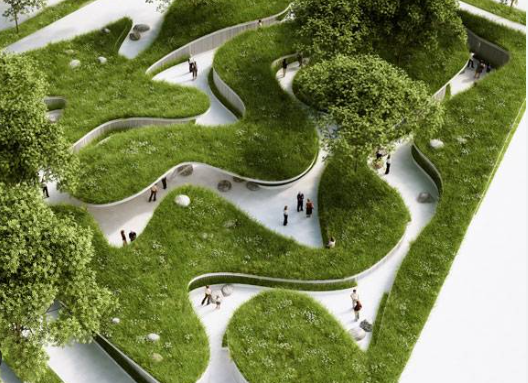
Landscape architecture has emerged as a crucial area in urban planning and environmental sustainability. As cities grow and evolve, the role of landscape architects not only focuses on aesthetics but also emphasizes social responsibility. This article explores how landscape architecture intertwines with community needs and environmental stewardship.
1. Community Engagement in Design
Community engagement is a vital component of landscape architecture. By involving local residents in the design process, architects can create spaces that genuinely reflect the community’s culture and needs. For example, community gardens often emerge from collaborative efforts between designers and residents, fostering a sense of ownership and pride in public spaces. When people have a say in how their environment is shaped, the end results are typically more effective and fulfilling.
This participatory approach not only enhances the design but also builds a stronger community bond. As landscape architects hold workshops, surveys, and open forums, they gather invaluable insights that inform decisions on everything from plant selection to the placement of benches. Such practices ensure that designs are not only functional but also harmonious with the lifestyle and values of community members.
-
- Conduct regular community workshops to gather feedback.
-
- Utilize social media to reach a wider audience.
-
- Create surveys to understand specific community needs.
-
- Incorporate local culture into the design features.
-
- Prioritize accessibility in all proposed designs.
2. Environmental Sustainability and Ethics
Landscape architecture also plays a pivotal role in promoting environmental sustainability. Designers are increasingly tasked with creating landscapes that not only please the eye but also support biodiversity and reduce ecological footprints. Strategies such as using native plants, which require less water and maintenance, or incorporating permeable surfaces to reduce runoff, are just two ways landscape architects address environmental concerns while enhancing urban aesthetics.
Moreover, ethical practices within landscape architecture mean that professionals must consider the long-term impacts of their work. This includes evaluating how materials sourced from nature are utilized and ensuring that designs do not disrupt local ecosystems. By adopting a holistic view, landscape architects can create spaces that nurture both people and the environment.
-
- Research native plant species to promote local biodiversity.
-
- Incorporate green infrastructure, such as rain gardens.
-
- Utilize sustainable materials that minimize environmental impact.
-
- Implement water conservation techniques in designs.
-
- Educate clients and community members on sustainable practices.
3. Social Equity and Inclusivity
Another critical facet of landscape architecture is promoting social equity and inclusivity in public spaces. As urban areas become increasingly diverse, landscape architects must ensure that parks, plazas, and other community spaces are accessible and inviting to all socio-economic groups. This can involve creating features such as children’s play areas, seating for the elderly, and fitness zones for various demographics.
Furthermore, inclusive design goes beyond physical access. It also embraces the social dynamics within public spaces. By considering the varying cultural backgrounds and interests of community members, landscape architects can design environments that encourage social interaction, harmony, and inclusiveness, thus contributing to a sense of belonging for all individuals.
-
- Design multi-use spaces to cater to diverse activities.
-
- Ensure ADA compliance for physical accessibility.
-
- Include various seating options to accommodate all ages.
-
- Encourage diverse user groups to influence design plans.
-
- Strive for vibrant aesthetics to create inviting environments.
4. Climate Resilience
With climate change presenting increasingly complex challenges, landscape architects are called upon to create climate-resilient designs. This involves planning and implementing green spaces that can withstand extreme weather conditions while mitigating the heat islands typically found in urban settings. For example, incorporating trees and green roofs can significantly lower ambient temperatures and improve air quality, making cities more livable.
Additionally, landscape architects must think ahead to anticipate climate impacts. By designing adaptable spaces that can evolve with future environmental changes, such as flooding or drought, landscape designs can remain functional and relevant. This foresight is necessary for protecting urban populations and ensuring that public spaces are sustainable over the long term.
-
- Integrate green roofs and walls to manage stormwater.
-
- Utilize trees strategically for shade and cooling.
-
- Implement pervious paving to reduce runoff.
-
- Design features that can adapt to changing weather patterns.
-
- Engage with climate experts to inform design strategies.
In conclusion, the intersection of landscape architecture and social responsibility shapes the way we envision and experience public spaces. By prioritizing community engagement, environmental sustainability, social equity, and climate resilience, landscape architects can create not only beautiful landscapes but also thriving, inclusive communities. Consider collaborating with a professional landscape architect to explore how these principles can benefit your local environment.