
Landscape architecture is an often-overlooked field that plays a significant role in shaping our communities, environments, and even our lives. By blending art, science, and design, landscape architects can create spaces that inspire change, encourage sustainability, and foster well-being. In this blog post, we will explore how landscape architecture serves as a catalyst for change through environmental restoration, community development, and urban revitalization.
1. Environmental Restoration
One of the most vital contributions of landscape architecture is its ability to restore degraded environments. By implementing sustainable practices such as reforestation, wetland restoration, and soil remediation, landscape architects can breathe new life into damaged ecosystems. For example, in New York, the High Line park transformed an abandoned railway into a green corridor, showcasing urban biodiversity and fostering community engagement.
Moreover, the importance of native plant species in restoration efforts cannot be overstated. Native plants not only support local wildlife but also require less maintenance and water. In California, projects like the San Diego River Park aim to restore ecosystems by reintroducing native flora, which improves water quality and combats erosion.
-
- Research local ecosystems to understand the native plant species.
-
- Incorporate native vegetation in your landscape designs.
-
- Engage the community in volunteer planting days.
-
- Monitor and maintain restored areas periodically.
-
- Educate others about the benefits of environmental restoration.
2. Community Development
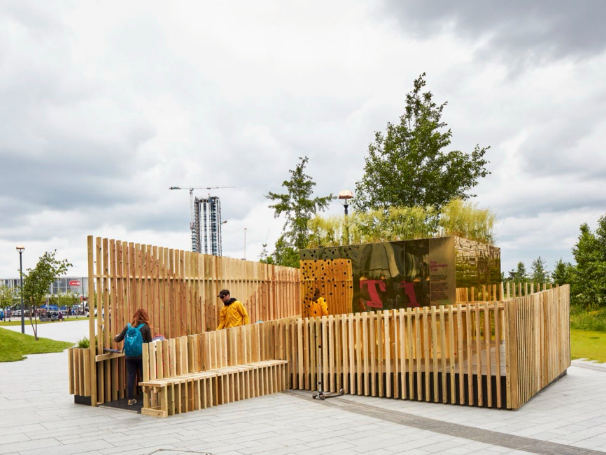
Landscape architecture plays a pivotal role in developing community spaces that foster social interaction, creativity, and well-being. Thoughtfully designed parks, plazas, and public spaces can act as the heartbeat of neighborhoods. For instance, the Park(ing) Day initiative encourages temporary gardens in urban parking spaces to promote the idea of green, community-oriented spaces.
Community involvement is essential in the design process, ensuring that the spaces meet the needs and desires of local residents. Participatory design workshops can gather community input, allowing residents to feel ownership over their spaces. The unique designs that emerge from these collaborative efforts contribute to creating vibrant and inclusive neighborhoods.
-
- Host community engagement sessions to gather input.
-
- Design with flexibility in mind to adapt to community needs.
-
- Include spaces for social activities, play, and relaxation.
-
- Utilize local materials to create a sense of place.
-
- Incorporate art and cultural elements to reflect community identity.
3. Urban Revitalization
Urban spaces often suffer from neglect and decline, but landscape architecture can transform these areas into vibrant hubs of activity. Through innovative design, landscape architects can improve aesthetics, functionality, and safety in urban environments. The transformation of Detroit’s waterfront into a recreational paradise illustrates how revitalization can attract residents and tourists alike, sparking economic growth.
Moreover, incorporating green infrastructure, such as bioswales and green roofs, not only beautifies a city but also addresses critical issues like stormwater management and urban heat islands. By integrating such features, cities can become more resilient and sustainable. For example, the Green Alley Program in Chicago has successfully converted underutilized alleys into greenspaces, enhancing urban ecology while providing recreational options.
-
- Conduct assessments to identify urban challenges in the area.
-
- Incorporate sustainable design elements in urban planning.
-
- Encourage partnerships between stakeholders for shared goals.
-
- Create versatile spaces that accommodate various activities.
-
- Prioritize safety and accessibility for all community members.
In conclusion, landscape architecture is much more than just designing parks and gardens; it serves as a powerful tool for catalyzing positive change. By prioritizing environmental restoration, community development, and urban revitalization, landscape architects can create more sustainable, vibrant, and inclusive spaces. If you’re passionate about these issues, consider consulting a landscape architecture professional to explore how you can make a difference in your community.