
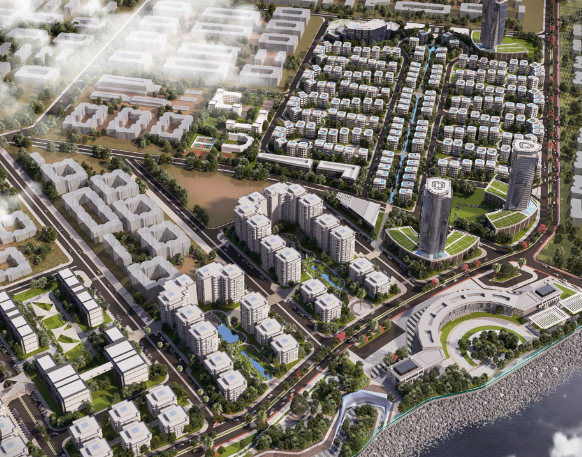
The interplay between landscape and urban development is crucial for the sustainable growth of cities. Understanding how landscapes can serve as a framework for urban growth not only aids planners but also enhances community well-being. This blog will explore how thoughtfully integrating landscapes into urban design can result in a more livable environment.
1. Understanding Landscape as a Design Element
Landscape design is not merely about aesthetics; it is a vital framework for creating functional urban spaces. A well-designed landscape considers natural topography, existing vegetation, and hydrology, which can significantly affect urban planning decisions. For example, parks and green corridors can serve as vital green lungs for a city while also promoting biodiversity and providing recreational opportunities for residents.
Moreover, incorporating landscape features such as wetlands or natural drainage systems can help manage stormwater effectively. This natural approach reduces stress on urban infrastructure and minimizes flooding issues, which are increasingly important given the challenges posed by climate change. In cities like Portland, Oregon, planners have effectively integrated green roofs and rain gardens to manage runoff while enhancing community spaces.
-
- Research local topography and vegetation before planning urban areas.
-
- Incorporate parks and green spaces as multi-functional areas.
-
- Consider environmental impacts during the design process.
-
- Engage with local communities to address their specific landscape needs.
2. The Role of Green Infrastructure
Green infrastructure is essential in mitigating urban heat, improving air quality, and enhancing overall urban resilience. Systems such as green roofs, permeable pavements, and urban forests play a significant role in urban ecology. For instance, incorporating greenery into pavement designs not only improves stormwater management but also reduces the heat-island effect in densely populated areas.
Additionally, green infrastructure can serve as a catalyst for community engagement by providing spaces where people can gather, exercise, and connect with nature. A prime example is the High Line in New York City, which transformed an abandoned rail line into an urban park, resulting in increased property values and community interaction. Such projects underscore the necessity of viewing landscapes as a functional component of urban development.
-
- Identify areas in your city that could benefit from green infrastructure.
-
- Evaluate potential for green roofs or vertical gardens on existing buildings.
-
- Host community workshops to brainstorm landscape improvements.
-
- Collaborate with environmental organizations to enhance green projects.
3. Landscape and Social Dynamics
The design of urban landscapes can influence social interactions and community cohesion. Well-planned public spaces invite people to engage, thus enhancing the sense of belonging and community well-being. For example, cities that incorporate plazas and communal green spaces often see increased social interactions among diverse population groups. This social dimension is crucial, particularly in multicultural urban settings.
Additionally, integrating cultural and historical landscape elements can foster a sense of identity within communities. Urban planners can achieve this by embedding local art, historical markers, and culturally relevant plants into landscapes. Cities like Barcelona have successfully implemented this approach, blending park spaces with elements reflecting their rich history, which promotes community pride.
-
- Survey residents to understand what community elements are important to them.
-
- Design landscapes that encourage informal gatherings.
-
- Utilize local artists to enhance public spaces with creative features.
-
- Host events in public areas to encourage community participation.
4. Future Trends in Urban Landscape Planning
The future of urban landscape planning is set to evolve with advancements in technology and a growing focus on sustainability. Smart landscaping techniques, such as using sensors for monitoring soil moisture, can optimize water usage in urban gardens. Furthermore, augmented reality can provide planning tools that allow stakeholders to visualize landscape changes in real time before implementation, offering a more user-friendly approach to planning.
Sustainability trends are also pushing cities to prioritize native plant species in landscaping, reducing the need for irrigation and chemical fertilizers. Initiatives such as community gardens and urban farming are becoming more common, promoting food security while creating vibrant community hubs. Cities like Detroit have embraced this trend by transforming vacant lots into productive gardens, enhancing both local food access and community engagement.
-
- Stay updated on technological innovations in landscape design.
-
- Encourage the use of native plants in public and private landscapes.
-
- Explore opportunities for urban agriculture in your area.
-
- Promote community involvement in landscaping projects.
As we reflect on the importance of landscape in urban growth, it becomes clear that a thoughtful approach can lead to more resilient, vibrant, and sustainable cities. Engaging with professionals in landscape architecture or urban planning can help lay the groundwork for transformative urban environments. It’s time to explore how you can be a part of this change in your own community.