
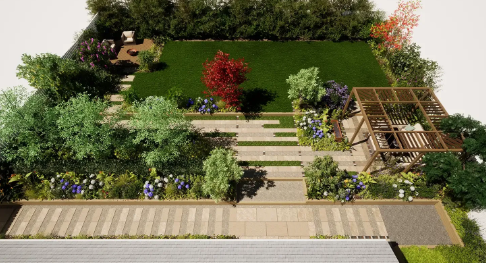
Landscape design plays a critical role in enhancing social interaction within communities. By thoughtfully arranging outdoor spaces, designers can create environments that foster connection, interaction, and a sense of belonging among individuals. This blog post explores how landscape design influences social behavior and the importance of communication in these shared spaces.
1. The Role of Public Spaces in Community Interaction
Public spaces such as parks, plazas, and community gardens serve as vital hubs for social interaction. These areas provide platforms for gatherings, events, and casual meetings, allowing people from various backgrounds to come together. A well-designed public space invites pedestrians to linger, engage, and build relationships with their neighbors.
For instance, a community park featuring picnic areas, walking trails, and interactive installations encourages families to spend time outdoors. Moreover, parks with open landscapes and seating arrangements foster informal discussions among users, making social interactions more frequent and meaningful. Such spaces can transform passive visitors into active participants, enhancing their sense of community belonging.
-
- Create inclusive designs that cater to diverse activities.
-
- Incorporate amenities like benches and tables for gathering.
-
- Use signage to promote events and activities.
-
- Ensure accessibility for all individuals, including those with disabilities.
2. Designing Engaging Landscapes for Social Connectivity
Effective landscape design can significantly enhance social connectivity through thoughtful arrangements of elements like seating areas, pathways, and greenery. For example, winding pathways can lead people to different zones within a park, encouraging exploration and serendipitous encounters. By minimizing barriers and providing several intersecting routes, visitors are more likely to encounter one another, fostering communication and connection.
Additionally, incorporating seating options such as benches, hammocks, and picnic tables in strategic locations can create comfortable and inviting spaces for conversation. Designers can also use natural elements, like flower beds and water features, to draw people in. The aesthetics of a space often contribute to its overall appeal, encouraging people to gather and appreciate their surroundings together.
-
- Design paths that encourage exploration and discovery.
-
- Incorporate diverse seating arrangements to cater to various group sizes.
-
- Use natural beauty to enhance the ambiance and attract visitors.
-
- Integrate playful elements such as sculptures or games to engage users.
3. Sustainability and Its Connection to Social Spaces
Sustainable landscape design not only improves the environment but also promotes social interaction by creating appealing areas for communities to gather. Community gardens, for instance, can bring neighbors together while encouraging sustainable practices like growing food and catering to biodiversity. These gardens serve as educational spaces, and the act of gardening together fosters collaboration and relationship building among participants.
Moreover, implementing eco-friendly features such as rain gardens, native plant landscaping, and solar lighting can engage a sense of shared responsibility among community members. When people work together towards a common goal, such as maintaining a sustainable garden, it cultivates relationships built on teamwork and collaboration, resulting in a more cohesive community.
-
- Encourage community involvement in gardening or maintenance tasks.
-
- Select native plants to promote biodiversity and low maintenance.
-
- Implement educational programs that teach sustainability practices.
-
- Design for resilience to enhance the longevity of social spaces.
4. Cultural Considerations in Landscape Design
The cultural background of a community can significantly influence landscape design, affecting social interaction. Designers need to consider local customs, traditions, and preferences when creating communal spaces. For instance, some cultures may prioritize communal dining or celebration areas, while others might seek quiet reflection zones. By reflecting these values in the landscape, designers can facilitate deeper social connections among community members.
A culturally relevant landscape can include elements such as traditional seating areas, features that celebrate local arts or history, and spaces for cultural gatherings or performances. By engaging the community in the design process, designers can ensure that the final product resonates with local residents, making it a true reflection of their collective identity.
-
- Conduct community workshops to understand cultural needs.
-
- Incorporate local art and history into the landscape design.
-
- Design spaces flexible enough to host various cultural events.
-
- Seek feedback from community members throughout the design process.
In conclusion, thoughtful landscape design can significantly enhance social interactions and strengthen community ties. By investing time and resources into creating engaging, inclusive, and culturally relevant spaces, we can foster environments where social connections thrive. Whether by consulting a professional or starting a grassroots initiative, consider how you can make a difference in your community through thoughtful landscaping.