
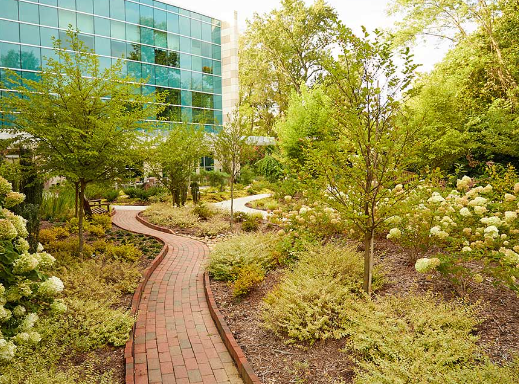
Urban landscapes play a critical role in the well-being of communities, especially in fast-paced cities. With increasing evidence supporting the healing effects of nature, landscape design has emerged as a vital tool for urban healing, fostering mental health and enhancing community ties.
1. The Psychological Benefits of Green Spaces
Research shows that exposure to green spaces can significantly improve mental health. Parks and gardens provide a calming environment, reduce stress, and can even decrease symptoms of anxiety and depression. For example, a study conducted in multiple urban areas revealed that residents living closer to green spaces reported higher levels of happiness and reduced levels of psychological distress compared to those in concrete-heavy settings.
Moreover, the sensory experiences offered by natural elements—floral scents, the rustle of leaves, and the sight of vibrant flowers—contribute to a person’s overall sense of well-being. This has led urban planners to integrate more green areas into city designs, promoting holistic health through natural surroundings.
-
- Incorporate elements like trees, flowers, and water features into urban planning.
-
- Prioritize parks and recreational areas in community designs.
-
- Encourage local governments to maintain and enhance existing green spaces.
-
- Design paths for walking or cycling to promote physical activity integrated with nature.
2. Community Engagement Through Landscape Design
Landscape design not only beautifies neighborhoods but also fosters a sense of community belonging. Engaging residents in the planning and creation of local green spaces fosters connections among neighbors, which can enhance social cohesion. Workshops and community meetings can be organized to gather input and foster a sense of ownership among residents.
An excellent example of community-led landscape design is the Transformation of vacant lots into community gardens. These gardens not only provide fresh produce but also serve as social hubs where residents gather, share resources, and build relationships. This collaborative spirit is essential for healing and revitalization in urban areas.
-
- Organize community meetings to discuss ideas for local green spaces.
-
- Support the creation of community gardens to promote social interaction.
-
- Involve local schools in landscape projects for educational opportunities.
-
- Host events in green spaces to encourage ongoing community involvement.
3. Sustainable Practices Enhancing Urban Healing
Integrating sustainable practices into landscape design is essential for creating healing environments. Techniques such as rain gardens, xeriscaping, and native plant use reduce environmental impact while enhancing the aesthetics of urban settings. Sustainable landscapes not only look good but also function efficiently by supporting biodiversity and mitigating urban heat effects.
Moreover, implementing green roofs and vertical gardens can bring nature into densely populated areas where ground space is limited. These initiatives contribute to improved air quality, reduce stormwater runoff, and provide insulation, making urban environments healthier and more vibrant.
-
- Choose native plants that require less water and maintenance.
-
- Design rain gardens to manage stormwater effectively.
-
- Incorporate green roofs in buildings to increase green space.
-
- Utilize permeable materials for walkways to promote water absorption.
As urban areas continue to grow, the importance of landscape design as a tool for healing becomes increasingly clear. By enhancing green spaces and promoting community involvement, we can foster healthier, more vibrant urban communities. Consider consulting with landscape design professionals or community planners to make a meaningful impact in your own neighborhood.