
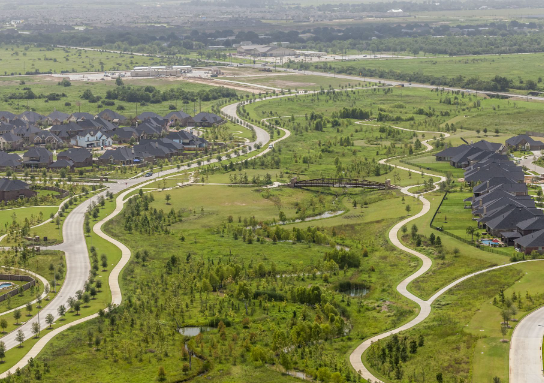
McHarg’s approach to regional planning emphasizes the importance of understanding and integrating ecological and cultural factors into land-use decisions. His methodology has influenced numerous urban planners and environmentalists, advocating for a balance between development and environmental preservation.
1. The Principles of Ecological Planning
At the heart of McHarg’s philosophy is the concept of ecological planning, which promotes a thorough understanding of natural ecosystems before making land-use decisions. This involves detailed analysis of the area’s geology, hydrology, vegetation, and wildlife habitats. By mapping these characteristics, planners can make informed decisions that support sustainable development while minimizing environmental harm.
An example of this approach can be seen in the way McHarg urged planners to respect natural water systems. In his seminal book, “Design with Nature,” he demonstrated how urban areas can be designed to work with, rather than against, local ecosystems. For instance, utilizing natural drainage areas for flood management not only reduces construction costs but also helps preserve biodiversity.
-
- Conduct a thorough environmental assessment before planning changes.
-
- Map natural resources and ecological features in the area.
-
- Engage with local ecosystems to understand their function and limitations.
-
- Utilize data to support environmentally sensitive planning decisions.
2. Participatory Planning and Community Involvement
McHarg stressed the importance of involving the community in the planning process. He believed that local knowledge and public input are critical in creating effective and sustainable living spaces. By engaging with community members, planners can understand the needs, values, and priorities of the people who will be most affected by regional development.
His approach often included holding workshops and public meetings, where stakeholders could voice their opinions and suggest solutions. This participatory planning not only enhances the project outcome but also fosters a sense of ownership among community members, making them more likely to support and maintain the project over time.
-
- Host regular community engagement events to gather input.
-
- Utilize surveys and questionnaires to reach a broader audience.
-
- Encourage diverse representation in planning discussions.
-
- Provide clear information about planning processes and implications.
3. Design with Nature: Integrating Aesthetics and Functionality
McHarg’s design philosophy emphasized the integration of aesthetics with functionality in regional planning. He believed that while it is vital to consider environmental factors, the social and cultural aspects of design should not be overlooked. This means that planners should focus on creating spaces that are not only functional but also visually appealing and healthy for the community.
One practical application of this is the concept of green infrastructure, which incorporates natural elements like parks, green roofs, and urban forests into urban landscapes. These features not only provide recreational opportunities but also contribute to better air quality and biodiversity, making urban areas more livable.
-
- Incorporate green spaces in urban development plans.
-
- Design public spaces that promote social interaction.
-
- Utilize native plants to enhance the local ecology.
-
- Ensure that designs are accessible for all community members.
In conclusion, McHarg’s approach to regional planning offers a comprehensive framework that combines ecological understanding, community involvement, and aesthetic considerations. By applying these principles, planners can create sustainable and vibrant communities. Consider consulting a professional or starting a discussion group in your community to explore how these principles can be implemented in your region.