
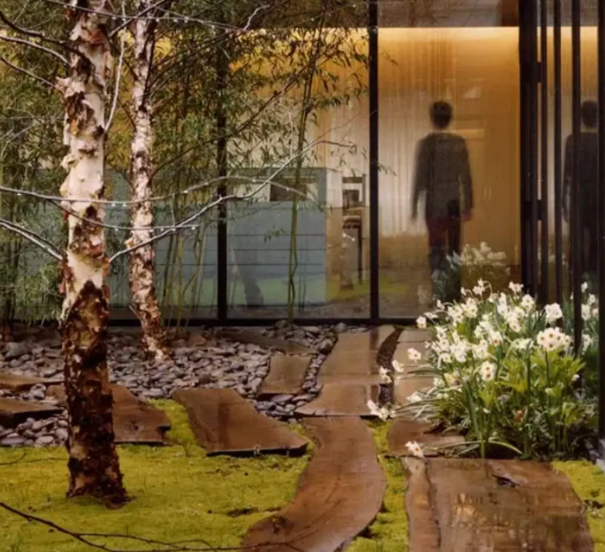
Michael Van Valkenburgh is a renowned figure in the fields of landscape architecture and urban design. His work exemplifies a seamless blend of natural beauty and functional design, creating spaces that resonate with both the environment and the community.
1. Understanding Michael Van Valkenburgh’s Design Philosophy
At the core of Van Valkenburgh’s design philosophy is a belief in the intrinsic value of nature within urban environments. He often emphasizes the relationship between people and their surroundings, advocating for designs that are not only aesthetically pleasing but also environmentally restorative. His projects frequently include elements that invite community interaction, such as plazas, parks, and greenways, allowing nature to play an active role in urban life.
One prominent example of his work is Brooklyn Bridge Park in New York City. This project transformed an underutilized industrial waterfront into a vibrant landscape that promotes recreation and leisure. It incorporates native plants, waterfront access, and walking paths that encourage residents and visitors to engage with the natural beauty of the area, redefining urban interaction.
-
- Research Van Valkenburgh’s notable projects.
-
- Consider how nature can enhance urban living.
-
- Think about community needs in your designs.
-
- Find inspiration from existing public spaces.
2. Signature Projects and Their Impact
Van Valkenburgh’s portfolio includes several landmark projects renowned for their innovative designs and societal impact. One such project is the Clark Park in Philadelphia, which embodies his commitment to community-driven design. Here, he focused on creating a space that not only serves recreational purposes but also integrates ecological elements, improving local biodiversity while enhancing user experience.
Another remarkable project is the Peavey Plaza in Minneapolis, featuring a multifunctional landscape that contributes to the urban microclimate. Its design incorporates seating areas, water features, and green spaces that serve to cool the space while fostering social interaction. These projects exemplify how thoughtful landscape design can transform urban settings, making them more livable and sustainable.
-
- Investigate the ecological focuses of his projects.
-
- Explore how spaces can facilitate community interaction.
-
- Look for examples of multifunctional urban areas.
-
- Consider sustainability in your designs.
3. Key Elements of Successful Landscape Design
Successful landscape architecture, as demonstrated by Van Valkenburgh, hinges on several pivotal design elements. First, context is crucial; understanding the history, culture, and environment of a location allows for more tailored and effective design. This means studying existing natural features and urban fabric before making design decisions, ensuring that new interventions harmonize with the existing landscape.
Another essential element is the use of materials. Van Valkenburgh often opts for locally sourced, environmentally friendly materials that resonate with the character of the area. By doing so, he enhances the authentic experience of a place. Additionally, implementing diverse plant species not only adds aesthetic value but also fosters ecological health and resilience.
-
- Analyze the historical context of your site.
-
- Select materials that reflect the local culture.
-
- Incorporate diverse plant species to enhance biodiversity.
-
- Emphasize sustainability in material choices.
4. The Importance of Community Engagement
Community engagement plays a vital role in the success of any landscape design project. Van Valkenburgh advocates for involving local communities at every design stage, from brainstorming to implementation. This collaboration ensures that the designs meet real needs and resonate with the users they are intended for, fostering a sense of ownership and pride.
A key aspect of this engagement is holding workshops and public meetings where community voices can be heard. For instance, during the design phase of the Atlanta BeltLine, extensive community input shaped the project, resulting in a space that enriched the urban landscape while accommodating the desires of residents. Engaging the public builds a strong connection between the environment and its users, resulting in enduring community value.
-
- Organize community workshops to gather input.
-
- Be attentive to feedback and concerns of residents.
-
- Facilitate ongoing communication throughout the project.
-
- Celebrate milestones with the community to build camaraderie.
5. Future Directions in Landscape Architecture
The future of landscape architecture is moving toward greater integration of technology and sustainability. Van Valkenburgh’s work champions these trends, demonstrating how modern tools can enhance the design process. For instance, using digital mapping and modeling allows for more sophisticated planning and manipulation of landscape features, ultimately leading to more functional and beautiful spaces.
Moreover, addressing climate change is increasingly critical in landscape design. Van Valkenburgh’s projects often incorporate strategies to combat environmental issues such as flooding and heat islands. This includes designing urban green spaces that capture stormwater, cooling the surrounding areas, and providing habitats for wildlife, which are all essential in an era of rapid urbanization and environmental challenges.
-
- Stay updated on technological advancements in design tools.
-
- Incorporate climate resilience into your projects.
-
- Explore innovative landscapes that respond to environmental challenges.
-
- Promote public awareness on the benefits of green spaces.
Michael Van Valkenburgh’s contributions to architecture and landscape design illustrate the profound impact that thoughtful design can have on communities and environments. As you consider your next project, reflect on his principles and strategies to create spaces that enhance both nature and human experience. Engage with your community and explore innovative design solutions that pave the way for a sustainable future.