
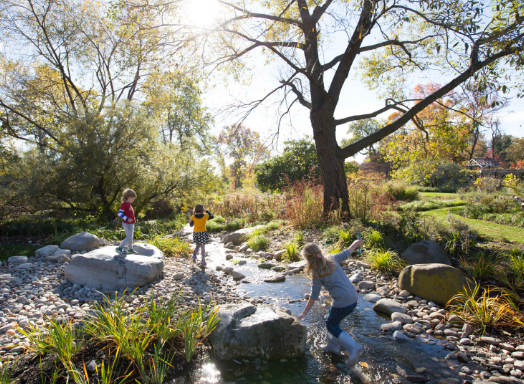
Michael Van Valkenburgh is a prominent landscape architect known for his innovative approach to ecological landscape design. His projects, which span urban parks to university campuses, emphasize the interconnectedness of nature and built environments. By integrating ecological principles, he not only enhances aesthetics but also promotes environmental sustainability.
1. Understanding Ecological Landscape Design
Ecological landscape design is a philosophy that prioritizes ecological health and sustainability in landscape architecture. This involves creating spaces that mimic natural ecosystems, fostering biodiversity, and enhancing the resilience of environments against climate change. Michael Van Valkenburgh’s work often exemplifies these principles, showcasing how landscapes can be both functional and beautiful.
A key component of ecological design is the use of native plants, which adapt well to local conditions and support local wildlife. By integrating these plants into design, landscapes become more sustainable and require less maintenance and resources. Van Valkenburgh has successfully applied this principle in many of his projects, leading to richer, more vibrant spaces that resonate with their ecological context.
-
- Consider using native plants in your landscaping.
-
- Research local ecosystems to understand what plant species thrive in your area.
-
- Focus on creating multi-layered plant systems for enhanced biodiversity.
-
- Incorporate water-efficient irrigation methods.
-
- Utilize recycled materials in landscape construction.
2. Case Studies in Van Valkenburgh’s Work
One of the most renowned projects by Michael Van Valkenburgh is the Brooklyn Bridge Park in New York City, which spans over 85 acres. This park is a testament to the power of ecological design, featuring diverse habitats, scenic views, and recreational areas. The park integrated natural structures and plant materials that provide habitats for local wildlife while offering urban dwellers a slice of nature amidst the concrete jungle.
Another outstanding example is the Landscape of the Salish Sea project, which emphasizes the importance of the Pacific Northwest’s native ecosystems. This project aims to restore and celebrate the unique landscape of the region by incorporating local flora and sustainable design practices. Through these case studies, Van Valkenburgh demonstrates how ecological design can transform urban landscapes into thriving ecosystems.
-
- Visit local parks designed by ecologically-minded architects for inspiration.
-
- Take note of the plant varieties used in these projects.
-
- Analyze how water features are integrated into landscapes.
-
- Observe the interaction of people with the space—what works well?
-
- Think about how these elements can be adapted to your own environment.
3. The Impact of Public Engagement
Public engagement is a crucial aspect of Michael Van Valkenburgh’s projects. He emphasizes involving community voices in the planning process, ensuring that designs resonate with the people who will use the space. By organizing workshops and open forums, he gathers valuable insights, fostering a sense of ownership and stewardship among community members.
This collaboration leads to improved design outcomes and helps instill a greater appreciation for local ecosystems. The inclusion of public feedback helps adapt designs to fulfill genuine community needs while also raising awareness about ecological issues. Inviting the public into the conversation creates landscapes that are not just beautiful but also cherished by those who use them.
-
- Engage with community members during the planning phase.
-
- Host workshops and forums to gather diverse perspectives.
-
- Consider the needs of various user groups in the design.
-
- Share educational materials about ecological benefits.
-
- Foster ongoing dialogue about maintenance and evolution of the space.
4. The Future of Ecological Landscapes
As cities grow and urbanization increases, the need for sustainable landscapes becomes more pressing. Michael Van Valkenburgh is at the forefront of this movement, advocating for the integration of ecological principles into urban design. The future of landscapes will involve greater collaboration between landscape architects, ecologists, and the community to create resilient and adaptable environments.
Innovations in technology and materials are also paving the way for more sustainable practices. Incorporating smart irrigation systems, advanced materials, and native plant irrigation strategies will become essential in creating landscapes that can withstand changing climatic conditions. The ecological landscape of the future will not only prioritize aesthetics and function but will also ensure the health of our planet for generations to come.
-
- Stay informed about advancements in sustainable landscape practices.
-
- Explore eco-friendly materials and techniques for your projects.
-
- Advocate for green spaces in your community.
-
- Collaborate with experts in environmental science and design.
-
- Encourage local governments to prioritize ecological landscape initiatives.
In conclusion, Michael Van Valkenburgh’s contributions to ecological landscape design showcase the powerful relationship between nature and urban environments. By prioritizing sustainability, community engagement, and innovative practices, we can all play a part in shaping a greener future. Consider exploring local projects, or engage with landscape professionals to bring these ideas into your own surroundings.