
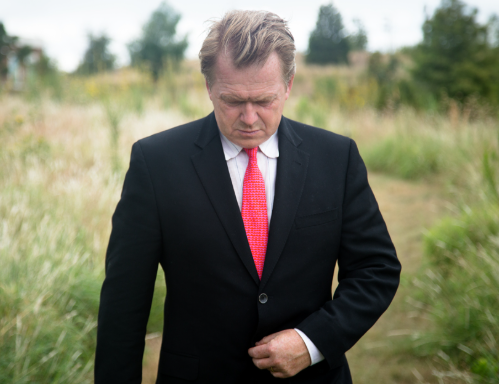
Michael Van Valkenburgh is a renowned landscape architect whose interviews provide valuable insights into his creative process, philosophy, and the intersection of nature and design. Through his discussions, we learn how he transforms public spaces while respecting the environment and community needs. In this blog post, we’ll explore some key topics surrounding his interviews and the principles that guide his work.
1. The Philosophy of Landscape Architecture
In many of his interviews, Van Valkenburgh emphasizes the importance of understanding both the cultural and ecological contexts of a site. He believes that effective landscape architecture is grounded in the unique characteristics of a location, which involves studying the local flora, fauna, and human history. For instance, he often references his project for the Brooklyn Bridge Park, where he carefully integrated the site’s industrial history with natural elements to create a serene urban oasis.
This approach isn’t just theoretical; it requires extensive research and collaboration with local communities. Van Valkenburgh often works closely with historians, ecologists, and local residents to ensure the space serves various functions and is appreciated by all. This collaborative process helps to foster a sense of ownership and pride among community members, making the spaces more meaningful and sustainable.
-
- Research the local history and biology of your project site.
-
- Engage with community members to understand their needs and desires.
-
- Incorporate native plants to support local wildlife.
-
- Seek input from professionals in related fields like ecology and urban planning.
2. Design Process and Inspiration
In interviews, Van Valkenburgh often discusses his design process as highly iterative and collaborative. He encourages brainstorming sessions with his team to explore various perspectives and ideas before committing to a design. His method frequently involves sketching and modeling, allowing for a fluid transition from concept to reality. For example, when working on the Maggie Daley Park in Chicago, he used a comprehensive approach that included playful elements, such as climbing walls and winding pathways, designed to engage both children and adults.
Additionally, he finds inspiration in nature itself. Van Valkenburgh believes nature has inherent beauty and complexity that should guide the design process. This philosophy extends to his commitment to creating spaces that are not just functional but also beautifully integrated with their surroundings, allowing visitors to feel a connection to the natural environment. His designs often reflect organic forms that mimic natural landscapes, making them feel harmonious and inviting.
-
- Encourage collaborative brainstorming among the design team.
-
- Utilize sketching as a tool for exploration and refinement.
-
- Observe nature for inspiration to create more organic designs.
-
- Identify playful elements that can make spaces engaging.
3. Sustainable Practices in Landscape Design
Sustainability is another crucial topic that Van Valkenburgh frequently touches upon in interviews. He emphasizes the significance of creating landscapes that are not only beautiful but also sustainable and resilient. This can include strategies such as using permeable paving to manage stormwater and choosing drought-resistant plant species to reduce irrigation needs. For example, his firm has undertaken projects that incorporate recycled materials and techniques to minimize waste during construction.
Moreover, he believes that landscape architects hold the responsibility to champion sustainability as a core principle. By designing spaces that prioritize ecological health, Van Valkenburgh aims to set an example for future generations of landscape architects. His work often reflects a blend of aesthetics and environmental stewardship, making it clear that careful planning can lead to both beautiful and sustainable results.
-
- Consider using native, drought-resistant plants in your designs.
-
- Implement water management techniques like rain gardens or bioswales.
-
- Use sustainable materials whenever possible in construction.
-
- Educate clients and stakeholders on the benefits of sustainable practices.
4. The Role of Community Engagement
Another vital aspect discussed in Van Valkenburgh’s interviews is the role of community engagement throughout the design process. He often mentions the importance of understanding the needs of local inhabitants to create spaces that provide genuine value. This means not just engaging with residents but also facilitating workshops and gatherings to gather feedback and ideas. For instance, his projects sometimes start with community charrettes, allowing numerous voices to contribute to the vision.
This engagement can significantly enhance the success of a project, ensuring that it serves its intended purpose and resonates with the people who use it. Van Valkenburgh also stresses that listening to community feedback can lead to unexpected and innovative solutions, enriching the design and cementing the community’s connection to the space.
-
- Host community meetings to gather input during the design phase.
-
- Facilitate workshops to encourage public participation and feedback.
-
- Ensure that designs reflect community values and preferences.
-
- Stay open to adapting your plans based on community insights.
In conclusion, interviewing Michael Van Valkenburgh reveals a wealth of knowledge about landscape architecture, emphasizing the importance of sustainability, community engagement, and a deep respect for nature. As you consider your next design project, reflect on these principles and how they can enhance both the functionality and aesthetics of your work. Whether you’re in the field or just passionate about landscape design, there’s always something new to learn from the masters.