
Michael Van Valkenburgh is a revered figure in the realm of landscape architecture, renowned for creating spaces that harmonize with nature and enhance human experiences. His work is a testament to the profound impact of thoughtful design on community interaction and environmental sustainability.
1. Principles of Van Valkenburgh’s Design Philosophy
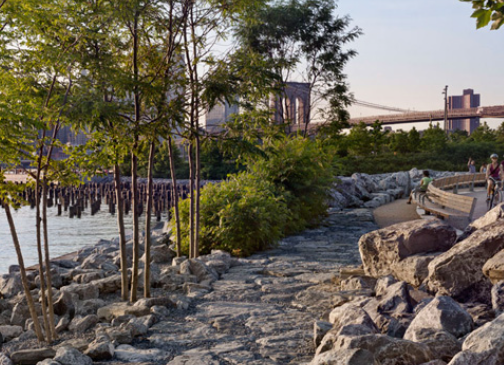
One of the foundational aspects of Michael Van Valkenburgh’s landscape architecture is his commitment to ecological integrity. His designs often prioritize the preservation of local habitats, utilizing native plant species to encourage biodiversity. For example, the Brooklyn Bridge Park, one of his most recognized projects, features carefully selected flora that reflects the local ecosystem and enhances the park’s natural beauty.
In addition to ecological considerations, Van Valkenburgh emphasizes the importance of user experience in his designs. He believes that landscape architecture should foster connections among people, nature, and urban environments. This principle is evident in his work at the Javits Center, where he transformed underutilized spaces into vibrant areas that promote social interaction and engagement.
-
- Consider local flora for ecological integrity.
-
- Design with user experiences in mind.
-
- Create spaces that encourage biodiversity.
-
- Incorporate sustainability practices into your projects.
2. Notable Projects and Their Impact
Michael Van Valkenburgh’s portfolio is replete with transformative projects that serve as case studies in effective landscape architecture. A prominent example is the Minnesota Landscape Arboretum, which features diverse gardens and trails designed to showcase the relationship between horticulture and nature. This project not only attracts tourists but also educates visitors about environmental stewardship.
Another significant project is the redesign of the campus at the University of Massachusetts Amherst, where his firm introduced green spaces that promote both academic engagement and relaxation. These areas have fostered a sense of community among students and faculty while aligning with sustainability goals. The integration of engaging outdoor spaces has proven crucial for mental health, particularly in academic settings.
-
- Explore case studies of his projects for inspiration.
-
- Examine the ecological focus of his work.
-
- Evaluate the social impact of community-centered designs.
-
- Incorporate educational elements into landscape projects.
3. The Role of Community Engagement
Community engagement is an essential element of Van Valkenburgh’s approach to landscape architecture. He believes that designs should reflect the needs and desires of local communities, making the input of residents crucial in the planning process. For instance, in his work on the East River Waterfront in New York City, extensive community outreach ensured that the park met the diverse needs of its urban neighbors.
By involving community members throughout the design process, Van Valkenburgh’s firm fosters a sense of ownership and pride in public spaces. This strategy not only enhances user satisfaction but also encourages collective care for the landscapes created. When communities feel connected to their green spaces, they are more likely to participate in their upkeep and advocacy.
-
- Conduct community surveys to gather input.
-
- Host workshops to involve the public in design discussions.
-
- Incorporate feedback into project plans.
-
- Create platforms for ongoing community engagement.
4. Innovations in Sustainable Practices
Michael Van Valkenburgh’s work is marked by innovative approaches to sustainability, setting a benchmark for landscape architecture. One example is the integration of stormwater management solutions in urban parks, which not only mitigate flooding but also enhance aesthetics. His designs often include bioswales, rain gardens, and permeable pavements, contributing to the overall resilience of urban environments.
Moreover, Van Valkenburgh advocates for using recycled materials in landscape construction to minimize waste. His projects demonstrate how aesthetic beauty can be achieved without compromising environmental principles. For example, the installation of green roofs and living walls in urban settings improves air quality and energy efficiency while creating visually stunning spaces.
-
- Incorporate green infrastructure in your designs.
-
- Use locally sourced and recycled materials.
-
- Promote biodiversity through innovative planting techniques.
-
- Explore renewable energy options for landscape features.
In conclusion, Michael Van Valkenburgh’s work exemplifies the profound connection between landscape architecture and community well-being. By focusing on ecological integrity, community engagement, and sustainability, he not only transforms spaces but also enriches lives. If you’re inspired by his approach, consider consulting a professional or participating in community projects to help shape your environment.