
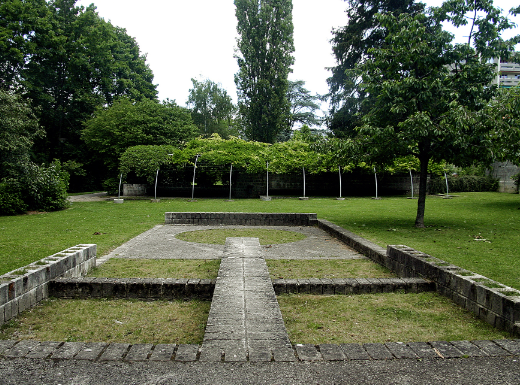
Michael Van Valkenburgh is renowned in the realm of landscape architecture, and his masterplans offer a compelling blend of artistic vision and practical landscape design. Each project he undertakes reflects a deep understanding of the land, the culture surrounding it, and the needs of its stakeholders. This blog explores some key aspects of his masterplans.
1. The Design Philosophy Behind Van Valkenburgh’s Masterplans
Michael Van Valkenburgh’s design philosophy centers around creating spaces that resonate with the environment and connect users to nature. He believes in the importance of context, meticulously analyzing the geographical and cultural elements that inform a project’s direction. For example, his work in Brooklyn Bridge Park highlighted how urban spaces could successfully embrace their natural landscapes while offering a vibrant community hub.
This design philosophy doesn’t merely focus on aesthetics; it includes functional aspects that promote ecological sustainability. Van Valkenburgh incorporates native plants and sustainable materials into his landscapes, fostering environments that are both beautiful and environmentally responsible. His approach demonstrates how thoughtful design can enhance local ecosystems while providing inviting spaces for people.
-
- Create spaces that foster community interactions.
-
- Incorporate native plants for ecological benefits.
-
- Analyze geographical context before planning.
-
- Use sustainable materials in design.
-
- Prioritize user experience throughout the landscape.
2. Notable Projects and Their Impact
One of Van Valkenburgh’s hallmark projects is the University of Arkansas’ landscape design, which highlights the integration of educational environments with natural beauty. The masterplan transformed underutilized areas into vibrant outdoor spaces for learning and recreation. By incorporating pathways, gardens, and gathering spaces, the landscape invites students and faculty to engage with their surroundings on a deeper level.
Another pivotal project is the expansion of the Brooklyn Bridge Park, where Van Valkenburgh played a crucial role in turning an industrial waterfront into a thriving green space. The park now offers recreational facilities, gardens, and art installations, enriching the urban experience. This transformation has not only increased biodiversity but has also become a beloved community destination, demonstrating the positive social impact such spaces can have.
-
- Research the history of the space you want to develop.
-
- Engage local communities for feedback.
-
- Plan for multiple uses in the landscape.
-
- Preserve and enhance existing natural features.
-
- Consider the long-term maintenance of the project.
3. Steps to Implementing Your Own Masterplan Inspired by Van Valkenburgh
Implementing a masterplan inspired by Van Valkenburgh involves a strategic process. Begin with thorough research and analysis of the site to understand its characteristics and challenges. This foundation will inform your design decisions and help in creating a functional landscape that meets user needs and enhances ecological health.
Next, cultivate a collaborative approach. Work with stakeholders, including the local community, urban planners, and environmental experts, to gather insights and support. This collaborative effort can help tailor your masterplan to fit the specific community context while fostering a sense of ownership among users.
-
- Conduct a site analysis to identify unique features.
-
- Involve community stakeholders in the planning process.
-
- Draft preliminary designs and seek feedback.
-
- Ensure sustainability is a core focus in your design.
-
- Plan for future developments and adaptability in your landscape.
In conclusion, Michael Van Valkenburgh’s masterplans exemplify the interplay between creativity, functionality, and sustainability in landscape architecture. If you’re inspired by his work, consider reaching out to professionals or starting to design your landscapes that foster community and environment harmoniously. Embrace the opportunity to create spaces that inspire and connect people to their surroundings.