
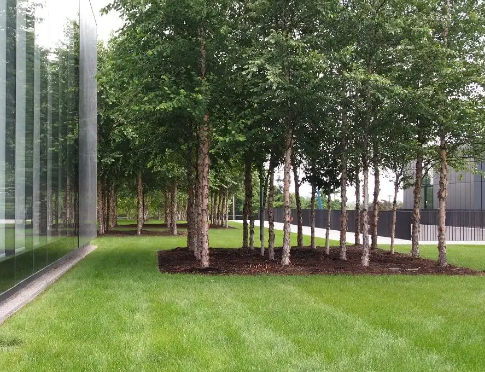
Michael Van Valkenburgh Associates (MVVA) is an internationally acclaimed landscape architecture firm known for its innovative designs that harmonize nature and urbanism. This blog post explores a selection of their prominent projects, revealing how they transform spaces while prioritizing ecological sustainability and community engagement.
1. Brooklyn Bridge Park
Brooklyn Bridge Park is a remarkable transformation of an industrial waterfront into a vibrant public space. The project spans over 85 acres, offering diverse recreational facilities, including sports fields, playgrounds, and green spaces. The design integrates natural features such as tidal marshes and native plantings, making the park a model for sustainable urban environments.
The park was developed in stages, with careful attention to the unique character of each section. Features like the Granite Prospect and Pebble Beach showcase different topographies and water access, allowing visitors to experience the East River in various ways. This approach not only serves local communities but also attracts visitors from beyond New York City.
-
- Visit the park at different times of the day to experience its dynamic atmosphere.
-
- Engage in recreational activities such as kayaking or cycling along the waterfront paths.
-
- Participate in community events or programs hosted within the park.
-
- Explore the native plant gardens to learn about local ecology.
2. The College of Environmental Science and Forestry (ESF)
The ESF campus in Syracuse, New York, showcases an innovative approach to landscape architecture that aligns with environmental education. MVVA was tasked with designing sustainable outdoor spaces that would not only beautify the campus but also serve as living laboratories for students to engage with ecology and sustainability. The design incorporates native plant species, outdoor classrooms, and stormwater management systems.
Sustainability is paramount in this project, with features like rain gardens that capture and filter stormwater, reducing runoff into local waterways. By integrating educational elements with functional landscaping, MVVA created spaces that support academic pursuits while fostering a deeper connection between students and their natural environment.
-
- Attend workshops or classes in outdoor classrooms to understand ecological principles.
-
- Take time to explore the diverse flora within the landscape.
-
- Use the on-campus facilities for studying and collaborating with peers.
-
- Participate in stewardship programs to contribute to the upkeep of the gardens.
3. Maggie Daley Park
Maggie Daley Park is a stunning addition to Chicago’s downtown area, offering a unique blend of recreational and artistic spaces. Designed to appeal to families and individuals of all ages, the park features a miniature golf course, climbing wall, and expansive playgrounds. The design is marked by whimsical elements and a layout that invites exploration and spontaneous interaction.
The park is strategically designed to connect with nearby Millennium Park, promoting seamless access between the two spaces. MVVA focused on creating diverse landscapes, with lush plantings and winding paths that encourage visitors to meander. The incorporation of art installations and performance spaces adds cultural depth, making it a lively hub for community engagement.
-
- Explore the park during seasonal festivals for unique experiences.
-
- Take advantage of the recreational facilities, such as the climbing wall.
-
- Check out various art installations for a cultural experience.
-
- Participate in fitness classes often held in the park.
4. The High Line
The High Line, a former elevated railway in New York City, has been transformed into a linear park that showcases innovative landscape design. This project emphasizes the reclamation of urban spaces, combining nature with urban life. The High Line features native plantings, art displays, and pathways that offer stunning views of the city, making it a beloved destination.
The design encourages visitors to engage with the landscape and each other, with seating areas and event spaces scattered throughout. The integration of historical elements from the railway adds a unique character, with sections of the old tracks preserved within the new design. This park not only enhances the urban environment but also supports biodiversity by providing habitats for birds and insects.
-
- Walk the pathway to experience changing landscapes and city views.
-
- Attend seasonal events and performances that the High Line hosts.
-
- Learn about the plant species through informational signage along the path.
-
- Engage socially, as the park encourages gathering and conversation.
5. The Brooklyn Waterfront Greenway
The Brooklyn Waterfront Greenway is an ambitious project that aims to create a continuous public access route along the waterfront, promoting sustainable transportation and recreation. MVVA has played a key role in designing segments of this greenway, focusing on creating inviting pathways that are accessible to pedestrians and cyclists. The project integrates parks, plazas, and scenic views of the harbor, connecting various neighborhoods.
This greenway is more than just a pathway; it serves as a vital link between communities, enhancing mobility while prioritizing ecological health. By incorporating green infrastructure elements, such as bioswales and rain gardens, MVVA addresses stormwater management while creating attractive public spaces that promote environmental awareness.
-
- Walk or bike the greenway to experience its scenic routes.
-
- Participate in community clean-up events to maintain its beauty.
-
- Engage with local organizations that offer educational programs along the route.
-
- Explore nearby parks and recreational facilities accessible from the greenway.
In conclusion, Michael Van Valkenburgh’s projects exemplify the ability to transform spaces into sustainable and community-oriented environments. Whether it’s a park, campus, or greenway, these projects serve as important reminders of the symbiotic relationship between nature and urban life. Consider visiting these spaces or engaging with local initiatives to appreciate the impact of thoughtful landscape architecture.