
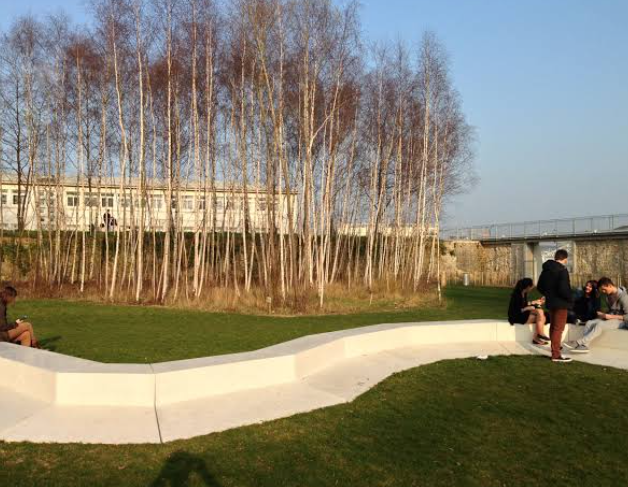
Two prominent figures in landscape architecture, Michel Desvigne and Michael Van Valkenburgh, have significantly influenced how we perceive and design outdoor spaces. Their unique styles and approaches have reshaped landscapes, turning public parks and private gardens into engaging environments that reflect the essence of their respective regions.
1. Michel Desvigne: The French Visionary
Michel Desvigne is renowned for his ability to blend architecture with landscape, creating spaces that are both functional and aesthetically pleasing. His projects often draw inspiration from the surrounding geography, taking into account the local climate and cultural context. One of his notable works includes the redesign of the Parc André-Citroën in Paris, where he transformed an industrial area into a vibrant public park, featuring gardens, waterways, and open spaces for community gatherings.
Desvigne’s approach to landscape architecture emphasizes the importance of integrating natural elements with urban environments. He believes in designing spaces that encourage ecological diversity, which not only enhances the beauty of an area but also contributes positively to the ecosystem. In his urban projects, he often incorporates sustainable practices, such as rainwater harvesting and planting native vegetation to support local wildlife.
-
- Explore local geography and climate when planning landscapes.
-
- Incorporate native plants to promote biodiversity.
-
- Design flexible spaces that can adapt to various community uses.
-
- Use sustainable practices like rainwater management in your projects.
2. Michael Van Valkenburgh: The American Innovator
Michael Van Valkenburgh is a celebrated landscape architect known for his distinctive touch in creating immersive, user-friendly environments. His work often focuses on enhancing the experience of public spaces, fostering connections between people and nature. One notable project by Van Valkenburgh is the Brooklyn Bridge Park in New York City, which revitalized a neglected waterfront area into a thriving park with recreational facilities and beautiful views of the city skyline.
Van Valkenburgh’s design philosophy revolves around experiential learning and community involvement. He engages local residents in the design process, ensuring that their needs and desires are met. This collaborative approach not only results in spaces that resonate with the community but also promotes stewardship, encouraging users to take care of their environment.
-
- Engage community members early in the design process.
-
- Create spaces that encourage interaction and socialization.
-
- Focus on user experience by integrating diverse activities.
-
- Highlight local history and culture in your designs.
3. The Intersection of Design and Sustainability
Both Michel Desvigne and Michael Van Valkenburgh prioritize sustainability in their designs, although their methodologies differ. Desvigne often focuses on ecological adaptability, considering how landscapes can evolve over time. His emphasis on native plantings and hydrology encourages a healthier ecosystem while providing inviting spaces for people.
On the other hand, Van Valkenburgh tends to emphasize the social aspects of sustainability. He believes that creating inviting, enjoyable spaces encourages communities to interact and engage with nature, thereby fostering environmental stewardship. His projects often include educational components, informing the public about local ecology and sustainable practices.
-
- Choose materials that are environmentally friendly.
-
- Consider the long-term ecological impact of your design.
-
- Incorporate educational signage to promote awareness.
-
- Design resilient landscapes to withstand climate change.
In conclusion, both Michel Desvigne and Michael Van Valkenburgh exemplify how innovative landscape architecture can transcend aesthetics, affecting both ecological sustainability and community interaction. If you’re inspired by their work, consider exploring your local landscape or consulting a professional to create a space that reflects your community’s needs and values.