
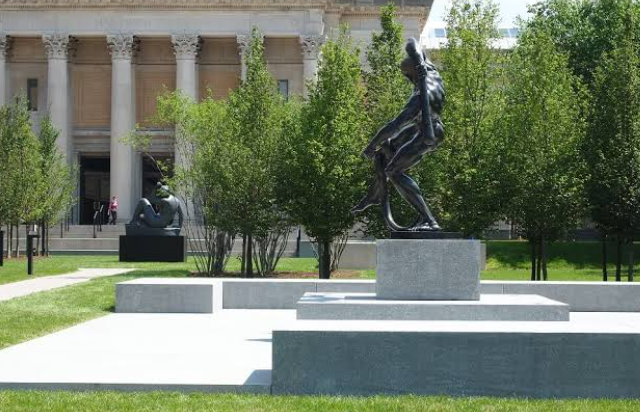
Michel Desvigne is a renowned landscape architect celebrated for his innovative approach to space and environment. His design principles focus on the interplay between nature, culture, and human experience, making his landscapes not only functional, but also aesthetically striking.
1. Emphasis on Context
One of Desvigne’s primary design principles is the emphasis on context. He believes that every project should honor the surrounding environment, reflecting its history, culture, and ecology. For example, in his work at the Parc de la Villette in Paris, he thoughtfully incorporated historical references while allowing for contemporary expression, creating a harmonious blend that resonates with both local residents and visitors.
By examining the natural features and social dynamics of a site, Desvigne is able to create spaces that feel organic to their surroundings. Rather than imposing a foreign design, he integrates his visions with the local context to ensure that they complement and enhance their environment.
-
- Analyze the local culture and history before beginning the design.
-
- Incorporate local materials and plants.
-
- Consider the social interactions that will occur in the space.
-
- Avoid traditional ideas that don’t align with the site’s context.
2. Sustainable Practices
Sustainability is another crucial element in Desvigne’s designs. He strives to use materials that minimize environmental impact while enhancing the ecological health of a site. This includes promoting biodiversity through planting native flora, which supports local wildlife and creates resilient ecosystems. For instance, his work on the Riverbanks Park in Lyon showcases how sustainable practices can elevate the experience of a space while being environmentally conscious.
Additionally, he often incorporates techniques such as rainwater harvesting and natural drainage systems. These methods not only reduce water consumption but also improve the functionality of the landscape, ensuring that designs continue to thrive even in challenging climatic conditions.
-
- Identify local ecological conditions to inform plant selection.
-
- Utilize recycled materials wherever possible.
-
- Implement features that facilitate natural water management.
-
- Prioritize designs that enhance local biodiversity.
3. Human-Centered Design
Desvigne’s approach to landscape architecture is fundamentally human-centered. He emphasizes the importance of creating spaces that promote interaction and connection among people. His designs often feature open areas that encourage social gatherings, quiet places for reflection, or engaging pathways that invite exploration. In his project at the European Interparliamentary Union in Paris, he created a series of terraces that provide various vantage points and experiences for visitors.
This focus on human experience is evident in the way he considers people’s movement through a space. By carefully laying out pathways and seating areas, he fosters an environment that is conducive to both relaxation and recreation. This invites users to fully engage with the landscape around them, enhancing their overall experience.
-
- Design for various user needs—families, individuals, and groups.
-
- Create areas for both active and passive engagement.
-
- Utilize clear pathways that guide users through the space.
-
- Incorporate seating and resting places strategically.
In conclusion, Michel Desvigne’s design principles highlight the intricate balance between context, sustainability, and human engagement. By adhering to these principles, aspiring landscape architects can elevate their designs to create spaces that are both meaningful and functional. If you’re looking to implement similar ideas in your projects, consider consulting with a professional or conducting a thorough analysis of your site for inspiration.