
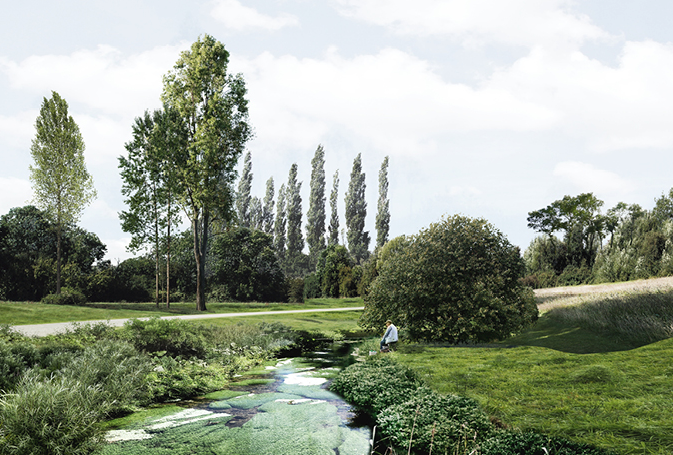
Michel Desvigne is a celebrated French landscape architect known for his commitment to sustainable design principles. His work harmonizes natural ecosystems with urban development, offering fresh insights into creating environmentally friendly spaces. Let’s explore some of the distinctive elements of his sustainable landscape designs.
1. Embracing Local Biodiversity
One of the core tenets of Michel Desvigne’s design philosophy is a strong emphasis on local biodiversity. By utilizing native plants and materials, he creates landscapes that are not only visually stunning but also ecologically functional. For instance, his projects often incorporate species that are well-adapted to the local climate, soil, and wildlife, reducing the need for irrigation and chemical treatments.
Investing in native plantings can enhance a landscape’s resilience and attractiveness to local wildlife, including pollinators like bees and butterflies. In projects such as the Parc de l’île de Nantes, Desvigne captures the essence of the local flora while promoting habitats that thrive in harmony with the environment. Such approaches ensure that urban landscapes contribute positively to their ecological context.
-
- Research local flora and fauna before planting.
-
- Choose drought-resistant and low-maintenance native plants.
-
- Integrate features like rain gardens to capture stormwater.
-
- Consider the ecological roles of plants (e.g., attracting pollinators).
2. Sustainable Water Management
Sustainable water management is another key aspect of Desvigne’s work. He carefully designs landscapes that manage and utilize water efficiently, essential in an era of climate change and water scarcity. Techniques such as bioswales and permeable surfaces not only reduce water runoff but also encourage groundwater infiltration, promoting healthier ecosystems.
In many of his urban projects, Desvigne incorporates natural filtration systems that treat stormwater on-site. This approach minimizes pollution flowing into waterways and helps create vibrant urban spaces that benefit from water’s aesthetic presence. Moreover, by planning landscapes that thrive on stored and reused water, he effectively lowers maintenance costs and environmental impact.
-
- Design installations to facilitate natural water retention.
-
- Use permeable materials for paving and pathways.
-
- Incorporate rainwater harvesting systems.
-
- Employ bioswales to filter and absorb water runoff.
3. Synthesis of Urban and Natural Spaces
Michel Desvigne’s projects exemplify a seamless blend of urban infrastructure and natural landscapes. He believes that cities can be green and livable while accommodating the ever-growing population. By integrating parks, green corridors, and community gardens within urban settings, Desvigne demonstrates how nature can flourish alongside human development.
His work on the Île de Nantes showcases how thoughtful design can create multifunctional spaces. These areas serve both as recreational spaces for communities and as vital ecosystems that support urban biodiversity. By promoting an urban design approach that respects and integrates nature, Desvigne’s landscapes serve as models for sustainable city development.
-
- Actively involve the community in the design process.
-
- Plan for multifunctional use of green spaces.
-
- Create corridors for wildlife movement through urban areas.
-
- Utilize green roofs and walls to increase green space in cities.
4. Educational Outreach and Community Engagement
Education and community engagement are at the heart of Desvigne’s approach to landscape design. He believes that projects must not only serve aesthetic purposes but also educate communities about the importance of sustainability. By incorporating educational signage and organizing workshops, he fosters a deeper connection between people and their environment.
Engaging local communities in the design and maintenance of landscapes enhances stewardship and encourages sustainable practices. Desvigne’s designs often include features like community gardens where residents can grow their own food and learn about horticulture. This involvement nurtures a sense of ownership and responsibility toward the environment.
-
- Organize workshops and community events on sustainable practices.
-
- Incorporate informative signage in landscape projects.
-
- Encourage volunteer opportunities for local residents.
-
- Promote educational programs in schools related to landscape stewardship.
In conclusion, Michel Desvigne’s sustainable landscape design embodies innovation, practicality, and ecological responsibility. By embracing local biodiversity, effective water management, urban integration, and community involvement, his projects serve as inspiration for anyone interested in developing a greener future. Consider exploring sustainable design practices in your own landscape or consulting a professional for tailored advice.