
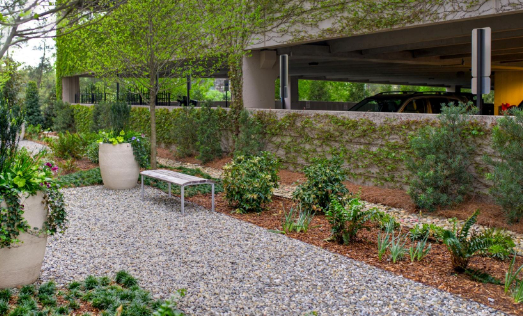
Minimalism and precision in landscape design can create serene and functional outdoor spaces that focus on simplicity and clarity. By emphasizing essential elements and maximizing their effectiveness, you can cultivate environments that not only enhance aesthetics but also promote a sense of peace.
1. The Essence of Minimalism in Landscape Design
Minimalism in landscape design is all about stripping away the non-essential to reveal the beauty of simplicity. A minimalist landscape generally includes clean lines, open spaces, and limited plant varieties. For example, a garden that features a single type of tree surrounded by gravel offers a tranquil, meditative space and reduces maintenance efforts compared to a busy garden filled with many species.
Implementing minimalist principles allows homeowners to appreciate nature without distractions. Such designs often evoke feelings of calm and relaxation, making them perfect for outdoor areas intended for contemplation or social interactions. Think about how different lighting conditions can enhance or diminish the minimalist aesthetic in the evening, creating a distinct atmosphere.
-
- Choose a few key plants with significant impact.
-
- Utilize hardscaping materials like stone or concrete for clean lines.
-
- Limit color palettes to two or three complementary hues.
-
- Incorporate open space to allow for easy movement and sight lines.
2. Precision in Design Elements
Precision in landscape design refers to the meticulous planning and execution of each element within the space. This involves precise measurements, accurate placement of plants, and thoughtful integration of features such as pathways or seating areas. For instance, aligning benches and pathways at calculated angles can direct flow and shape the user’s experience, providing an inviting atmosphere.
Furthermore, precision can manifest in the choice of materials; utilizing high-quality stones or timber can enhance durability and visual interest. For better results, landscape designers often employ tools like digital modeling or CAD software to visualize elements spatially before substantial investment is made, allowing for modifications that support both form and function.
-
- Use measurement tools to ensure accuracy in plant spacing.
-
- Employ professional software for layout visualization and adjustments.
-
- Incorporate various textures to add depth and tactility.
-
- Work with geometric patterns for visual interest and coherence.
3. The Role of Color in Minimalist Landscaping
Color plays a crucial role in minimalism, serving as both a focal point and a means for harmony. Selecting a limited color scheme can enhance the purity of a design while promoting engagement with natural surroundings. For example, using a monochromatic palette with various shades of green can create a restful ambience that encourages quiet reflection.
Additionally, introducing seasonal colors through selective planting allows a minimalist design to evolve over time. During spring, white blooms can punctuate a sea of green, while fall can introduce vibrant reds and oranges without overwhelming the senses. This thoughtful integration results in a dynamic yet controlled landscape, enhancing the pleasure of experiencing the space throughout the year.
-
- Limit your palette to 2-3 core colors for a cohesive look.
-
- Choose seasonal plants for year-round interest.
-
- Incorporate neutrals to balance vibrant accents.
-
- Evaluate how colors interact with different natural light throughout the day.
4. Sustainable Minimalism: Eco-Friendly Practices
Practicing sustainable minimalism in landscape design not only benefits the environment but also aligns with minimalist principles by reducing resource consumption. For instance, selecting native plants minimizes the need for irrigation and fertilizers while supporting local wildlife. Additionally, implementing features like rain gardens can manage stormwater effectively and enhance biodiversity.
Moreover, using mulch and organic materials can also aid in reducing the need for both water and chemical treatments, aligning with eco-friendly practices. Sustainable minimalism demands a balance of beauty and functionality, inviting homeowners to take ownership of their ecological impact while providing enjoyable spaces for relaxation and connection with nature.
-
- Opt for native plants to reduce water usage and maintenance.
-
- Implement drip irrigation systems for efficient watering.
-
- Incorporate permeable surfaces to manage rainwater runoff.
-
- Utilize organic mulches to inhibit weeds and conserve moisture.
Embracing minimalism and precision in landscape design can significantly transform your outdoor space. As you explore these concepts, take the time to consult with a professional landscape designer to tailor these ideas to your unique environment and goals. Start small, plan carefully, and enjoy the satisfaction of a well-designed landscape that speaks to your style.