
Landscape design often finds itself at a crossroads between minimalism and ecological sustainability. While each approach has its merits, understanding their differences can help create outdoor spaces that are both aesthetically pleasing and environmentally viable. This blog will explore how minimalism and ecology intersect in landscape design.
1. Understanding Minimalism in Landscape Design
Minimalism in landscape design emphasizes simplicity, clean lines, and a limited palette. This approach often leads to spaces where the design elements serve a specific, purposeful function, resulting in an uncluttered appearance. A minimalist garden can provide a sanctuary for relaxation, featuring elements such as stone pathways, simple water features, or a strategically placed bench, allowing nature to take center stage.
The focus on minimalism can also cultivate mindfulness, encouraging homeowners and visitors to appreciate the details of their surroundings. For example, a few well-placed trees or shrubs can add texture without overwhelming the senses. The key is to select plants that are both hardy and visually appealing, maintaining the ethos of minimalism while fostering a sense of tranquility.
-
- Choose a limited color palette for plants and materials.
-
- Incorporate natural elements, such as stone or wood, for aesthetic cohesion.
-
- Focus on fewer, well-designed features, like a gazebo or defining pathways.
-
- Experiment with negative space to create balance and harmony.
2. The Ecological Perspective in Landscape Design
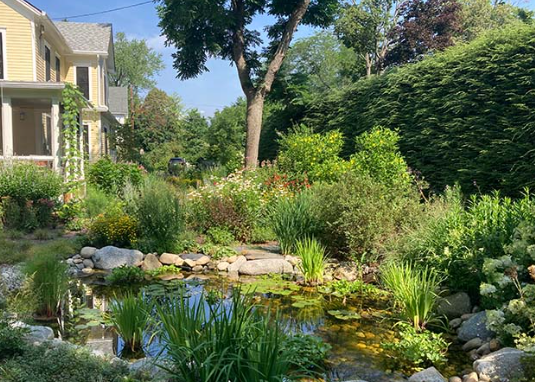
Ecology in landscape design prioritizes the health of the environment while ensuring that the landscape functions effectively. This approach advocates for using native plants, which are adapted to the local climate and soil conditions, leading to lower maintenance and reduced resource dependency. Such plants not only conserve water but also provide habitat for local wildlife, enhancing biodiversity.
Moreover, ecological landscape design promotes practices such as permaculture and xeriscaping, which not only benefit the environment but also create sustainable landscapes. For instance, a permaculture garden integrates various elements like vegetables, fruits, and herbs to create a self-sustaining model. A garden designed with ecological principles ensures that it supports the ecosystem while providing food and beauty.
-
- Select native plants that require minimal irrigation.
-
- Implement rainwater harvesting systems to reduce water usage.
-
- Create habitats through intentional plant grouping.
-
- Use organic materials for mulch and fertilizers to reduce chemical impact.
3. Finding the Balance: Minimalism Meets Ecology
Marrying the aesthetics of minimalism with the functionality of ecological design can create beautifully structured landscapes that are easy to maintain and environment-friendly. For example, a minimalist patio designed with permeable pavers not only looks sleek but also allows rainwater to filter into the ground, replenishing local aquifers. Such designs also contribute to the overall health of urban ecosystems.
Another approach is to create focal points that serve both artistic and ecological purposes. For instance, a vertical garden can be a stunning minimalist feature that also purifies the air and improves biodiversity by attracting pollinators. By strategically integrating sustainable elements without compromising on design integrity, landscape designers can craft spaces that are both visually appealing and ecologically responsible.
-
- Incorporate eco-friendly materials like bamboo or recycled composites.
-
- Design plant arrangements that require low water and maintenance.
-
- Create visual structures using sustainable features like green walls.
-
- Plan for seasonal interest to keep the landscape engaging year-round.
In conclusion, minimalism and ecology in landscape design are not mutually exclusive but rather complementary. By understanding and incorporating the strengths of both approaches, you can create a landscape that is not only beautiful but is also sustainable. Whether you are revamping your garden or planning an entire landscape, consider consulting with a landscape designer who specializes in these principles to make the most informed choices. Your outdoor space can be both a sanctuary and a steward for the environment.