
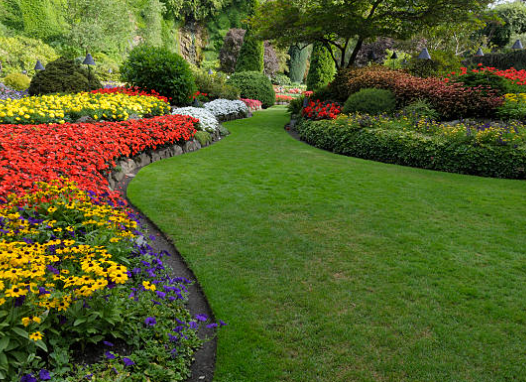
Landscape design is a harmonious blend of nature and culture, influencing how we perceive and interact with our environment. By understanding the interplay between these two elements, we can create spaces that are not only aesthetically pleasing but also culturally relevant and ecologically sound.
1. Integrating Local Flora and Fauna
Incorporating native plants into landscape design is crucial for maintaining biodiversity. Native species are adapted to local climates and soil types, which reduces the need for excessive watering and chemical fertilizers. For example, in the Midwest United States, using prairie grasses not only supports local wildlife but also provides a unique aesthetic value characteristic of the region.
Moreover, integrating local fauna is beneficial for pollination and pest control. Installing birdhouses or bee hotels can attract beneficial insects and birds that help keep your garden healthy. This creates a dynamic environment where flora and fauna coexist, enhancing the overall ecological health of the landscape.
-
- Research native plants suitable for your region.
-
- Plan plant placement that mimics natural ecosystems.
-
- Include areas for wildlife, such as ponds or bird baths.
-
- Minimize the use of pesticides that harm local wildlife.
-
- Consult with local experts or nurseries for plant selection.
2. Reflecting Cultural Heritage
Landscape design can serve as a canvas for expressing cultural identity. By integrating elements that reflect local traditions, such as indigenous art, historical monuments, or community gardens, designers can create spaces that resonate with residents. For instance, incorporating ornamental designs that represent local folklore can enhance community pride and connection to history.
Additionally, using materials that are locally sourced can reinforce a sense of place. Stone from regional quarries or wood from local forests can evoke the essence of the area’s natural landscape. The use of these materials rooted in cultural significance makes the landscape more relatable and enriching for visitors and residents alike.
-
- Involve the community in the design process.
-
- Use local craftsmanship for garden elements.
-
- Draw inspiration from cultural stories and heritage.
-
- Incorporate diverse cultural practices in planting.
-
- Avoid generic designs that do not reflect local culture.
3. Promoting Sustainability and Resilience
Sustainable landscape design aims to preserve our planet while benefiting both humankind and nature. Using sustainable practices such as rain gardens and permeable pavements helps manage stormwater runoff, reduce erosion, and promote groundwater recharge. For example, rain gardens planted near impervious surfaces can effectively absorb excess water, preventing flooding and improving water quality.
Moreover, resilience in landscape design means creating spaces that withstand climate challenges. Using drought-resistant plants or designing landscapes that can handle extreme weather events fosters a sustainable approach. In areas prone to hurricanes or flooding, elevating plant beds or utilizing native plants can make the landscape more resilient.
-
- Choose plants that are drought-resistant and low-maintenance.
-
- Incorporate water-saving irrigation techniques.
-
- Utilize organic mulch to retain moisture.
-
- Plan landscaping to minimize soil erosion.
-
- Utilize hardscaping wisely to manage water runoff.
4. Creating Functional Spaces
Functional landscapes serve practical purposes while enhancing aesthetic appeal. Understanding the intended use of a space allows for better design choices that reflect both cultural and natural elements. For instance, community parks that integrate seating, walking paths, and play areas can encourage social interaction while respecting the natural surroundings. This thoughtful design promotes a sense of community and is often more utilized than less thoughtful spaces.
Designing spaces with multiple uses adds value and makes landscapes more engaging. For example, community gardens not only provide food but also serve as an educational resource and a social gathering place. These multifunctional spaces draw in diverse groups, creating a lively atmosphere and enriching local culture.
-
- Plan for varied uses of space to benefit the community.
-
- Incorporate seating areas to promote relaxation and gathering.
-
- Create clear pathways for easy navigation.
-
- Integrate educational features like signs explaining plant species.
-
- Design spaces that are accessible for everyone.
In conclusion, the fusion of nature and culture in landscape design yields spaces that are not only visually appealing but also culturally resonant and ecologically sustainable. Whether you’re planning a small garden or a large public park, considering these aspects will lead to a more meaningful and engaging environment. Don’t hesitate to consult a professional landscape designer to bring your vision to life effectively and sustainably.