
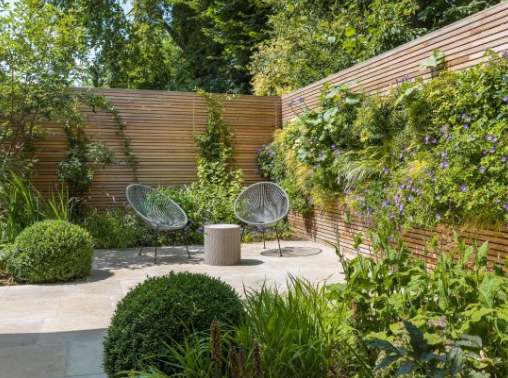
In recent years, the allure of organic forms in landscape design has captivated designers and homeowners alike. This trend embraces natural shapes and patterns, often blurring the lines between landscapes and living art. By incorporating these organic forms, practitioners can create spaces that are not just functional, but also visually stunning and harmoniously integrated with nature.
1. The Philosophy Behind Organic Design
Understanding the philosophy behind organic design is crucial to appreciating its impact on contemporary landscapes. This approach is deeply rooted in the belief that landscapes should reflect the natural world around them. Designers often study the natural topography, flora, and fauna of an area to inform the shapes and patterns they incorporate into their designs. This process allows for the creation of spaces that feel alive and connected to their environment.
One of the hallmarks of organic design is its flexibility. Rather than adhering strictly to geometric lines, organic landscapes often feature flowing curves and natural materials. For instance, the work of renowned landscape architect Louise B. Cox showcases how winding pathways and irregular plant beds can mirror the contours of boulders and existing vegetation. This results in designs that not only enhance the aesthetic appeal but also promote biodiversity.
-
- Research the ecological characteristics of your area.
-
- Incorporate curves and natural lines into design plans.
-
- Utilize local materials that blend with the surroundings.
-
- Allow for flexibility and adaptability in landscaping choices.
2. Materials in Organic Landscape Design
Choosing the right materials is fundamental in executing organic landscape designs effectively. Natural materials such as stone, wood, and earth tones are frequently employed to enhance the organic aesthetic. For example, using reclaimed wood for deck structures or natural stone for pathways not only adds visual interest but also connects the landscape with the environment, enhancing sustainability.
Moreover, implementing eco-friendly materials contributes to the overall health of the ecosystem. Permeable pavers, for example, allow rainwater to seep through, replenishing groundwater and minimizing runoff. This not only looks beautiful but also serves a practical purpose by managing stormwater and encouraging wildlife to thrive in and around the space.
-
- Opt for sustainable and local materials to reduce the ecological footprint.
-
- Incorporate natural colors that harmonize with the surrounding landscape.
-
- Utilize materials that promote biodiversity, such as native plants.
-
- Focus on durability to ensure long-term sustainability.
3. Integrating Plant Life Naturally
Integrating plant life is another vital aspect of creating organic forms in landscape design. Selecting native plants that thrive in the local climate can make much of the landscape more sustainable. For instance, using native grasses and wildflowers not only provides a habitat for local wildlife but also requires fewer resources for maintenance, such as water and fertilizer.
Additionally, layering plants in varying heights, textures, and colors creates a visual dynamic reminiscent of natural ecosystems. This layered approach can mimic the way plants grow in the wild, offering food and shelter for various wildlife. Consider using flowering plants for seasonal color and interest, as well as evergreen species for year-round appeal.
-
- Choose native plants for lower maintenance and higher resilience.
-
- Design plant layers to mimic natural ecosystems.
-
- Incorporate a mix of flowering and evergreen species.
-
- Regularly observe and adapt to the interactions between plants and wildlife.
4. Creating Fluid Spaces for Interaction
The concept of fluid spaces emphasizes connecting different areas within a landscape, fostering interaction among users. This call for a multi-functional landscape often involves creating “rooms” or zones that feel distinct yet interconnected. For example, a winding path leading from a shady seating area to a sunlit garden invites exploration and interaction, enhancing the user experience.
Furthermore, incorporating water features, such as ponds or streams, can enhance the organic appeal while enticing wildlife and offering a calming atmosphere. These features can become focal points that reflect surrounding vegetation and sky, making the landscape feel even more integrated into the natural world.
-
- Create pathways that encourage exploration and interaction.
-
- Use water features to add ambiance and attract wildlife.
-
- Design distinct zones for activities like relaxation, gardening, or play.
-
- Focus on ways to connect through planting and visual lines.
In conclusion, embracing organic forms in contemporary landscape design not only enhances the visual appeal of outdoor spaces but also fosters a deeper connection to nature. By focusing on natural materials, understanding ecological principles, and encouraging interaction through fluid spaces, you can create environments that are both sustainable and beautiful. Consider consulting with a professional landscape designer to help you fully realize the potential of organic design in your own garden or public space.