
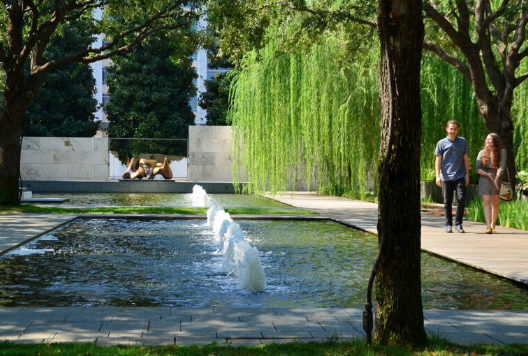
Peter Walker is a renowned figure in the realm of landscape architecture, widely recognized for his minimalist approach. His work not only transforms landscapes but also emphasizes simplicity, elegance, and a deep connection to nature.
1. The Philosophy Behind Minimalist Landscape Design
At the heart of Peter Walker’s design philosophy is the principle that less is often more. By stripping away unnecessary elements, Walker invites the viewer to focus on the essential and the natural beauty of the surroundings. This approach fosters a sense of tranquility and harmony, making landscapes feel more accessible and inviting. For instance, in his various projects, he has often utilized a limited palette of materials and plants, which enhances the overall aesthetic without overwhelming the senses.
Walker’s minimalist landscape designs encourage engagement with space by creating a serene environment. He believes that well-designed outdoor areas can serve as powerful places for reflection and relaxation. One prominent project, the 9/11 Memorial in New York City, is a testament to this philosophy; the design centers around simplicity, using large swaths of open space coupled with reflective pools to evoke feelings of contemplation and remembrance.
-
- Focus on cohesive elements that contribute to a unified design.
-
- Use natural materials to enhance openness and tranquility.
-
- Limit colors and shapes to create visual peace.
-
- Design spaces that encourage interaction with nature.
2. Essential Design Techniques in Walker’s Work
Walker employs several key techniques to achieve a minimalist aesthetic in landscape design. One of these is the artful use of depth and layering, where varying heights and textures of plants create a visual rhythm that draws the eye deeper into the space. Utilizing water features, for example, adds an additional layer of tranquility and mindfulness, where the reflective surface of the water encourages introspection.
Moreover, Walker often integrates pathways that guide visitors through the landscape, making the experience interactive. For instance, paths made of simple stone or gravel can lead visitors on a journey through minimalistic gardens, encouraging exploration without distraction. This tactile engagement with the environment complements his philosophy of minimalism while enriching the visitor experience.
-
- Incorporate varied plant heights for visual intrigue.
-
- Utilize water features to enhance tranquility and reflection.
-
- Create pathways that guide visitors through the space.
-
- Emphasize tactile elements in your design.
3. Sustainability in Minimalist Design
Walker’s design ethos extends beyond aesthetics; it embraces sustainability in meaningful ways. By advocating for the use of native plants, he promotes biodiversity and reduces the need for extensive irrigation. Native plants are not only more resilient to local conditions but also offer valuable habitats for wildlife, creating a balanced ecosystem within the landscape.
Additionally, Walker emphasizes the importance of annual maintenance practices that align with minimalist principles. This often translates into low-maintenance landscaping that requires fewer resources and labor over time, making it both eco-friendly and practical. For instance, the use of perennials instead of annuals can significantly reduce water use and labor, while maintaining a beautiful garden throughout the year.
-
- Select native plants that require less watering and maintenance.
-
- Use sustainably sourced materials for construction.
-
- Implement low-water irrigation systems to maximize efficiency.
-
- Consider the lifecycle of materials used in the landscape design.
Peter Walker’s minimalist landscape design not only showcases the power of simplicity but also fosters a deeper connection between individuals and their environment. By understanding and applying his principles, you can transform outdoor spaces into serene retreats that inspire and engage. Take the next step by exploring local resources or consulting with landscape professionals to create your own minimalist masterpiece.