
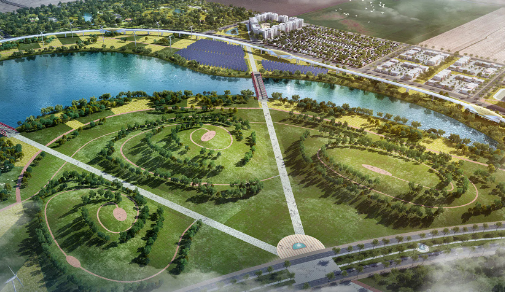
Public space design plays a crucial role in shaping our communities and enhancing our daily lives. Landscape architects, often referred to as “landscape masters,” blend art and science to create functional and aesthetically pleasing environments. This blog will explore how these professionals approach public space design, highlighting essential elements and practical tips.
1. The Principles of Effective Public Space Design
Effective public space design revolves around several core principles that guide landscape architects in creating usable and inviting environments. These principles include accessibility, sustainability, and community engagement. For instance, parks designed with diverse user groups in mind ensure that everyone, from children to seniors, can enjoy the space comfortably and safely. Sustainable landscaping practices, such as using native plants and efficient drainage systems, not only preserve local ecosystems but also reduce maintenance costs in the long run.
Community engagement is another vital principle of successful public space design. By involving community members in the planning process, landscape architects can identify the specific needs and desires of the population. For example, hosting workshops or surveys allows locals to voice their opinions on desired amenities like playgrounds or seating areas. This inclusive approach fosters pride and ownership of the space, encouraging its utilization by the community.
-
- Conduct community surveys to gather input on design preferences.
-
- Incorporate principles of sustainability into all projects.
-
- Ensure accessibility for individuals of all abilities.
-
- Stay up-to-date with the latest trends in public space design.
2. Elements to Consider in Public Space Design
When designing public spaces, landscape masters must evaluate various elements that impact usability and overall experience. These elements include pathways, seating, vegetation, and lighting. Pathways should be designed for ease of movement, accommodating foot traffic and bike lanes where applicable. For example, wide and well-maintained paths can facilitate leisurely strolls or active commutes while also guiding visitors through the space.
Seating arrangements play a critical role in the usage of public spaces. Benches should be placed in shaded spots with views of park activities, welcoming visitors to rest and socialize. Additionally, incorporating vegetation such as trees and shrubs enhances the aesthetic appeal while providing necessary shade and habitat for wildlife. Proper lighting is also essential, as it not only ensures safety but also encourages evening use of the space, transforming a park into an inviting nighttime environment.
-
- Design clear and navigable pathways for diverse users.
-
- Incorporate comfortable seating options in strategic locations.
-
- Utilize native vegetation to promote biodiversity.
-
- Install effective lighting solutions for safety and ambiance.
3. Case Studies of Successful Public Space Projects
Learning from real-world examples can provide valuable insights into effective public space design. One notable case is the High Line in New York City, an elevated linear park transformed from a disused railway. This project not only showcases brilliant landscape architecture but also illustrates community engagement. Local residents’ desires were integrated into the design, creating a vibrant park filled with art installations, walkways, and ample green space. The High Line is now a renowned tourist attraction and a cherished local amenity.
Another example is Millennium Park in Chicago, which features ornamental gardens, public art, and event spaces. The park engages visitors with its interactive installations, such as the Crown Fountain, which draws families and friends to enjoy its water features. Importantly, Millennium Park emphasizes sustainability, incorporating native plants and green roofs to help manage stormwater and promote urban biodiversity. Such projects highlight how thoughtful design can cultivate vibrant public spaces that serve the community’s needs.
-
- Research successful public space transformations in other cities.
-
- Look for community engagement strategies in case studies.
-
- Analyze how sustainability is implemented in these projects.
-
- Consider diverse functional elements that encourage use.
In conclusion, the design of public spaces by landscape masters is a thoughtful process that combines aesthetic appeal, functionality, and community needs. By understanding effective principles, considering essential design elements, and learning from successful case studies, community leaders and designers can create more engaging and sustainable spaces. If you’re involved in public space design, take the time to explore these principles and consider consulting a professional landscape architect to make your vision a reality.