
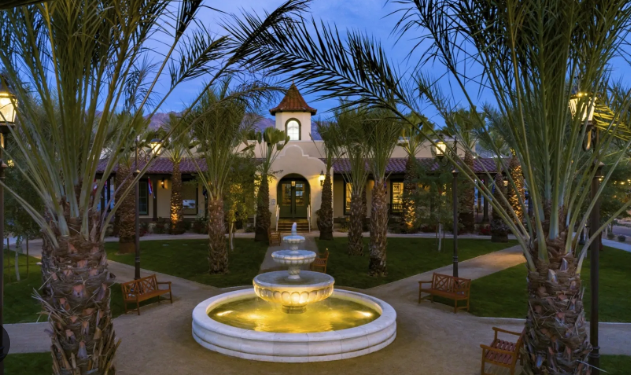
Landscape architecture is an often-overlooked profession that harmonizes nature and design. Registered landscape architects play a crucial role in creating functional, aesthetically pleasing, and sustainable outdoor spaces. Understanding their work can inspire communities and individuals to enhance their environments while considering ecological and social impacts.
The Importance of Certification
Becoming a registered landscape architect requires extensive education and expertise, usually including a degree in landscape architecture and passing a certification examination. This certification ensures that professionals are equipped with the necessary skills to address complex design challenges. Registered landscape architects consider various factors, such as climate, soil type, native plants, and local regulations, ensuring that their designs are both beautiful and sustainable. Hiring a registered professional can lead to a more effective and harmonious integration of human-made elements with natural surroundings.
Sustainability in Landscape Design
Sustainability is at the heart of modern landscape architecture. Registered landscape architects are trained to create environments that minimize environmental impact and promote biodiversity. They do this by selecting native plants, implementing water-efficient irrigation systems, and designing spaces that enhance the local ecosystem. Their work not only improves the aesthetic value of a location but also contributes to a healthier planet. By prioritizing sustainability, landscape architects help communities adapt to climate change and manage resources wisely, reinforcing their essential role in contemporary design.
The Creative Process
The process of designing a landscape is both analytical and creative. Registered landscape architects begin by assessing a site’s natural features, cultural context, and intended use before moving to the design phase. They develop concepts that blend functionality with beauty, often involving public input and collaboration with other professionals, such as urban planners and civil engineers. The result is a tailored design that meets the needs of the community while respecting the environment. This creative process highlights how landscape architects are not merely designers but also community visionaries who help shape public spaces for future generations.
Conclusion
Registered landscape architects serve as vital stewards of our outdoor environments, blending creativity, sustainability, and technical skill into their work. Their expertise transforms landscapes into beautiful, functional spaces while promoting ecological health. If you’re interested in enhancing your personal or community space, consider reaching out to a registered landscape architect to explore your options and learn more about how they can make a difference.