
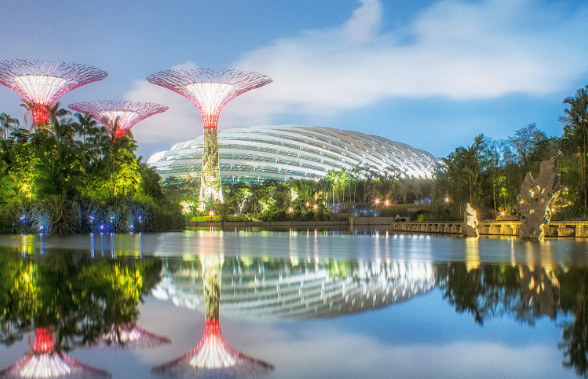
30/30 Landscape Architecture: Design for People and Nature
The concept of 30/30 landscape architecture is gaining traction as urban areas become more crowded and environmental challenges grow. This approach focuses on creating spaces that are both functional and harmonious with nature, ensuring that the great outdoors is accessible to everyone. In this article, we’ll explore what 30/30 landscape architecture entails, its benefits, and its impact on urban environments.
Understanding the 30/30 Principle
The 30/30 principle is simple yet effective: it encourages a design framework where 30% of urban land is dedicated to green spaces and 30% of population areas are within a 30-minute reach of those spaces. This method aims to balance urban development with nature, promoting accessibility and well-being. By ensuring that parks, gardens, and natural areas are within easy reach, communities can foster healthier lifestyles, reduce stress, and improve quality of life for residents.
Benefits of Green Spaces in Urban Areas
Integrating green spaces into urban settings brings numerous benefits that extend beyond aesthetics. Green spaces can enhance biodiversity, mitigate urban heat, and improve air quality. Furthermore, they serve as essential social hubs, encouraging community interaction and fostering a sense of belonging. Studies have shown that access to nature also plays a role in mental health, reducing anxiety and depression while promoting physical activity. As cities embrace the 30/30 framework, community engagement in design becomes crucial, ensuring that spaces reflect the needs and desires of local residents.
Designing for Resilience and Sustainability
30/30 landscape architecture prioritizes resilience and sustainability, creating spaces that can adapt to climate change and shifting urban dynamics. Designers often incorporate native plants and water-efficient systems, which work to conserve resources and promote ecological balance. Additionally, the use of green infrastructure techniques, such as rain gardens and permeable pavements, helps manage stormwater runoff, reducing the risk of floods and erosion. By reimagining urban landscapes in this way, cities can cultivate environments that not only react to ecological challenges but also actively contribute to the planet’s health.
Conclusion
The integration of 30/30 landscape architecture into urban planning is a vital step towards creating spaces that are not only functional but also promote environmental stewardship and community well-being. As cities continue to evolve, embracing these principles can lead to healthier, more vibrant environments where nature and urban life coexist harmoniously. If you’re interested in transforming your local area or learning more about sustainable design, consider reaching out to local landscape architects or environmental organizations. Together, we can build a better future for our communities and the planet.