
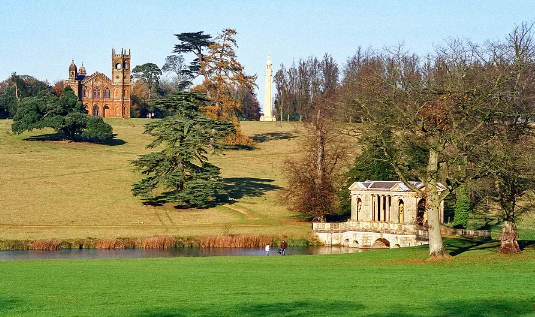
Landscape architecture has evolved tremendously over the years, responding to changes in societal values, environmental concerns, and technological advancements. Understanding the evolution of this field not only highlights its history but also its critical role in shaping our environment today.
1. Early Influences on Landscape Architecture
Landscape architecture can trace its origins back to ancient civilizations, where gardens served both functional and aesthetic purposes. The Hanging Gardens of Babylon and the meticulously planned gardens of ancient Rome exemplify early expressions of landscape design, focusing on harmony with nature and utility. These early designs often incorporated elements of spirituality and culture, revealing how closely intertwined nature and human civilization have been since the dawn of time.
In the Middle Ages, the focus shifted towards function, especially in the context of agriculture and defense. The layout of castles and their surrounding landscapes often blended utility with form. Terraced farms in Asia and medieval estates in Europe exhibited the early principles of landscape management that would later influence modern practices. This period highlighted the need to utilize landscapes effectively while also enhancing their beauty.
-
- Explore historical gardens and their influence on modern designs.
-
- Understand the cultural context of early landscape architecture.
-
- Identify key elements in historical landscapes that appeal to you.
-
- Visit local historic gardens to draw inspiration.
2. The 18th and 19th Century: Romanticism and Professionalization
The period of Romanticism brought a significant shift in how landscapes were perceived and designed. With a growing appreciation for nature, landscape designers began to create more organic forms rather than strictly geometric shapes. Figures like Capability Brown in England and André Le Nôtre in France emphasized the aesthetic qualities of landscapes, merging them with natural beauty and emotion. This era laid the groundwork for viewing landscape architecture as a professional discipline.
The establishment of formal educational institutions in the late 19th century played a crucial role in advancing landscape architecture as a recognized profession. Landscape design began to incorporate scientific principles such as ecology, horticulture, and engineering. As a result, landscape architects gained access to new tools and methodologies, allowing for more sustainable and aesthetically pleasing designs that considered both environmental impact and human experience.
-
- Research key authors and figures from the Romanticism era.
-
- Analyze the transformations in design philosophy during this period.
-
- Engage with landscape architecture education resources.
-
- Visit landscapes designed by prominent figures from the 18th and 19th centuries.
3. The 20th Century to Present: Sustainability and Technological Advancements
The 20th century marked a revolution in landscape architecture with the emergence of modernism and increased awareness of environmental issues. Landscape architects began to prioritize sustainability, exploring ways to integrate natural systems and reduce human impact on the environment. Projects like the High Line in New York City exemplify this trend, transforming urban spaces into lush green landscapes that serve both people and wildlife.
Advancements in technology have also paved the way for innovative landscape design. GIS (Geographic Information Systems) and CAD (Computer-Aided Design) have allowed landscape architects to visualize and analyze environments like never before. These tools support data-driven decision-making, enabling designs that better suit ecological and community needs. The integration of smart technology into landscapes is a growing trend, illustrating how the field continually adapts to modern challenges.
-
- Explore innovative landscape projects that prioritize sustainability.
-
- Familiarize yourself with design software used in modern landscape architecture.
-
- Stay informed about technological advancements impacting the field.
-
- Attend workshops or seminars on sustainable design practices.
The evolution of landscape architecture reflects a journey from ancient designs to modern practices grounded in sustainability and technology. As we stand at this intersection of history and innovation, there are tremendous opportunities for both professionals and enthusiasts to create landscapes that enhance our living spaces. Whether you want to pursue landscape architecture or simply appreciate it, engaging with the field can foster a deeper connection to our environment.