
Frank Lloyd Wright’s Landscape Designs: Integrating Nature and Architecture
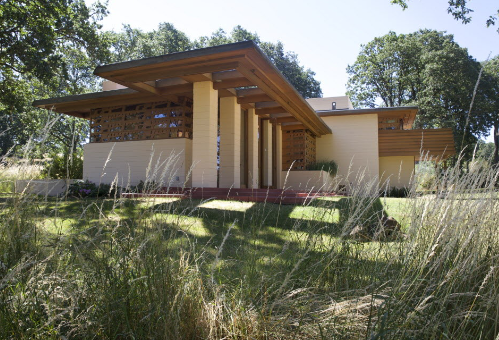
Frank Lloyd Wright is renowned for his innovative architectural designs, but his approach to landscape architecture is equally compelling. His work not only harmonized buildings with their surroundings but also highlighted the importance of nature in the built environment. Understanding Wright’s landscape designs can inspire modern architects, gardeners, and nature enthusiasts alike.
The Unity of Architecture and Landscape
Wright believed architecture should emerge organically from its surroundings. This philosophy is evident in many of his designs, such as the iconic Fallingwater, which beautifully incorporates the natural waterfall and rocks into the structure itself. He often used a concept called “organic architecture” to ensure that buildings and landscapes coexisted in harmony. By blending natural elements with artistic design, Wright created immersive spaces that invite contemplation and connection to the environment.
Innovative Planting Designs
Wright’s landscape concepts also included innovative planting designs, focusing on native plants and natural ecosystems. He understood that local flora not only enhances aesthetics but also supports regional biodiversity. This approach allowed projects to feel more integrated with their environments, reducing maintenance and water usage while promoting ecological balance. Incorporating native plants is a sustainable practice that reflects Wright’s vision and can easily be adopted by modern gardeners looking to create harmonious outdoor spaces.
Creating Outdoor Spaces for Reflection
Wright designed landscapes as much for the experience they provide as for their visual appeal. Many of his works feature terraces, gardens, and pathways that encourage relaxation and contemplation. Spaces like the gardens at Taliesin West in Arizona inspire visitors to reflect on nature and art, fostering a connection to the world around them. This idea is especially relevant today, as people increasingly seek outdoor spaces that promote well-being and mindfulness in their busy lives.
In conclusion, Frank Lloyd Wright’s landscape designs offer timeless principles that resonate with contemporary environmental concerns and aesthetic desires. By integrating buildings with surrounding nature and using native plants, Wright created harmonious and functional outdoor spaces. Exploring his landscape philosophy can inspire anyone looking to create more thoughtful and sustainable environments. Dive deeper into Wright’s legacy to uncover ways you can incorporate his ideas into your own outdoor spaces!