
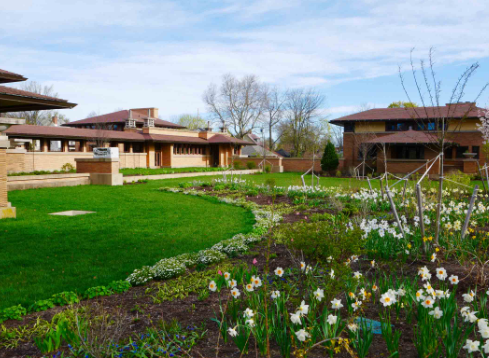
Frank Lloyd Wright, one of America’s most celebrated architects, is renowned for his innovative and harmonious approach to building design. However, his vision extended far beyond the walls of his structures; he was a pioneer in landscape design, seamlessly blending architecture with nature. Understanding his landscape philosophy offers valuable insight for anyone interested in design, nature, or sustainable living.
The Importance of Landscape in Wright’s Philosophy
Frank Lloyd Wright believed that architecture should exist in harmony with its surroundings. He famously coined the term “organic architecture,” which emphasizes the need for structures to integrate into their landscapes rather than dominate them. For Wright, the land was not merely a backdrop; it was an integral component of the design. This philosophy is evident in many of his projects, where he incorporated natural elements like native plants and existing land contours into his designs, creating spaces that felt rooted in their environment.
Influential Projects Showcasing His Landscape Design
Several of Wright’s projects exemplify his unique approach to landscape design. One notable example is Taliesin West in Arizona, where Wright adapted his home to the rugged desert landscape. The use of local materials, such as desert stones and cacti, illustrated his commitment to a site-sensitive approach. The terraces and paths he designed not only facilitated movement through the space but also embraced the natural beauty of the surrounding desert. Additionally, the Fallingwater residence in Pennsylvania is perhaps his most iconic work, with the house literally built over a waterfall, showcasing how architecture can enhance and celebrate natural features.
Sustainable Practices Inspired by Wright
Frank Lloyd Wright’s landscape philosophy remains highly relevant today, particularly as the world faces pressing environmental challenges. His principles advocate for sustainable practices, such as using native plants, minimizing disruption to existing ecosystems, and designing for energy efficiency. By simplifying maintenance and promoting biodiversity, Wright’s approach can inspire modern landscape architects and homeowners alike to create spaces that are both beautiful and ecologically friendly. Embracing these ideas can foster a deeper connection between people and their environments, encouraging a more sustainable way of living.
In conclusion, Frank Lloyd Wright’s landscape design principles offer timeless wisdom for harmonizing architecture with nature. By exploring his transformative work, we can learn valuable lessons in sustainability and the importance of integrating our living spaces with the natural world. Whether you’re a design enthusiast, a homeowner, or simply someone who appreciates beautiful spaces, delving into Wright’s legacy can inspire you to create or appreciate a more harmonious relationship between built environments and nature. To learn more about his work and philosophy, consider visiting one of his iconic sites or exploring resources dedicated to his innovative contributions.